Skip to content
NBOME Family Medicine COMAT & Level 2-CE NBME Family Medicine Shelf Exam & Step 2 CK

Family Medicine COMAT Command Center Family Medicine Shelf Exam Command Center

Comprehensive primary care and ambulatory shelf guide for NBOME Family Medicine COMAT and COMLEX Level 2-CE. Ingests 1,880+ outpatient cards covering USPSTF preventative guidelines, chronic disease algorithms, immunization schedules, and outpatient OMM.

78 Cards Extracted 2 High-Yield Protocols 3 Osteopathic Rules 4 High-Yield Pearls
Section 01 • Osteopathic Principles

"Don't Miss" COMAT Osteopathic Pearls

High-frequency somatic dysfunctions, viscerosomatics, autonomic reflexes, and treatment rules

Tested heavily on NBOME Shelf

Short Leg Syndrome & Heel Lift Rules

Postural findings: Sacral base unleveling (low on short leg side), anteriorly rotated innominate on short leg, compensatory C-shaped or S-shaped lumbar scoliosis (convex toward short leg side). Heel lift dosing: For flexible/acute cases, start with 1/8 inch (3 mm) and increase every 2 weeks. For elderly or chronic cases, start with 1/16 inch. Maximum lift inside shoe is 1/4 inch; anything greater requires outside heel shoe modification.

Outpatient Cervical Biomechanics

OA Joint: Primary motion is flexion and extension (nodding). Rotation and sidebending occur in opposite directions (Type I-like). AA Joint: Pure rotation (responsible for 50% of cervical rotation). C2–C7: Governed by typical facet orientation (BUM: Backward, Upward, Medial); sidebending and rotation occur in the SAME direction.

Outpatient Ambulatory Tendinopathies

Lateral epicondylitis (Tennis elbow): Involves extensor carpi radialis brevis; pain with resisted wrist extension and supination. Medial epicondylitis (Golfer's elbow): Involves pronator teres and flexor carpi radialis; pain with resisted wrist flexion and pronation. De Quervain tenosynovitis: Abductor pollicis longus and extensor pollicis brevis; positive Finkelstein test.

Section 01 • Clinical Foundations

"Don't Miss" Family Medicine Clinical Pearls & Shelf Traps

High-frequency diagnostic pitfalls, gold-standard criteria, and next-best-step clinical rules

Tested heavily on NBME Shelf & Step 2 CK

USPSTF Cancer Screening Guidelines (A/B Recommendations)

Colorectal: Age 45–75 (Colonoscopy q10y, annual FIT, or FIT-DNA q3y). Breast: Age 40–74 biennial mammography. Cervical: Age 21–29 cytology q3y; Age 30–65 cytology q3y, hrHPV q5y, or co-testing q5y (discontinue at 65 if prior negative screens). Lung: Age 50–80 with >= 20 pack-year smoking history who currently smoke or quit < 15 years ago (annual low-dose CT). AAA: One-time ultrasound in men aged 65–75 who have EVER smoked.

First-Line Antihypertensive Selection by Patient Comorbidity

Non-Black general population: Thiazide diuretic (chlorthalidone preferred), DHP Calcium Channel Blocker (amlodipine), or ACEi/ARB. Black population: Thiazide or CCB initial therapy (higher efficacy and stroke reduction; lower RAAS activation). Diabetes with Albuminuria (UACR >= 30 mg/g) or CKD (eGFR < 60): ACEi or ARB first-line to slow nephropathy progression (never combine ACEi + ARB). CAD / Post-MI: Beta-blocker + ACEi/ARB.

Adult Immunization Rules & Indications

Pneumococcal: Age >= 65 or high-risk 19–64 (single dose PCV20 OR PCV15 followed by PPSV23 1 year later). Shingles (Shingrix): Age >= 50, 2 doses 2–6 months apart regardless of past zoster or live vaccine history. Tdap: Booster every 10 years, plus once during EVERY pregnancy (at 27–36 weeks gestation for neonatal pertussis passive immunity). RSV: Single dose for adults age >= 60 (shared clinical decision) or pregnant women at 32–36 weeks (seasonal September–January).

Acute Low Back Pain Triage & Red Flag Evaluation

In uncomplicated acute mechanical low back pain (< 4–6 weeks, no neurologic deficits), imaging is strictly contraindicated—recommend early mobilization, NSAIDs, and physical therapy. Emergency MRI indications (Red Flags): Cauda Equina Syndrome (bilateral sciatica, saddle anesthesia, bowel/bladder incontinence or urinary retention with overflow), progressive motor weakness, suspected spinal epidural abscess (fever + IVDU/recent spine procedure), or suspected vertebral fracture/malignancy (unexplained weight loss, age > 50, history of cancer).

Section 02 • Clinical Algorithms

Core Clinical Protocols & Diagnostic Trees

Step-by-step first-line management pathways, diagnostic thresholds, and pharmacological escalation

2 Diagnostic Algorithms

USPSTF High-Yield Preventative Cancer Screening Guidelines (2025–2026)

  1. 1. Colorectal Cancer: Screen all average-risk adults aged 45 to 75 years. Options: Colonoscopy every 10 years, annual FIT test, or FIT-DNA (Cologuard) every 3 years. Selective screening aged 76–85.
  2. 2. Breast Cancer: Biennial screening mammography for women aged 40 to 74 years.
  3. 3. Cervical Cancer: Women aged 21–29: Cervical cytology (Pap smear) every 3 years. Women aged 30–65: Cytology every 3 years OR hrHPV testing alone every 5 years OR co-testing every 5 years. Discontinue at age 65 if adequate prior negative screening.
  4. 4. Lung Cancer: Annual low-dose CT (LDCT) for adults aged 50 to 80 years who have a 20 pack-year smoking history and currently smoke or have quit within the past 15 years.
  5. 5. Abdominal Aortic Aneurysm (AAA): One-time abdominal ultrasonography screening in men aged 65 to 75 years who have EVER smoked (>= 100 cigarettes).

Outpatient Type 2 Diabetes Management Algorithm

  1. 1. First-line: Metformin + lifestyle modifications for all patients unless eGFR < 30 mL/min/1.73m2 (lactic acidosis risk).
  2. 2. With established ASCVD: Add GLP-1 receptor agonist with proven cardiovascular benefit (semaglutide, dulaglutide) OR SGLT2 inhibitor (empagliflozin).
  3. 3. With Heart Failure (HFrEF or HFpEF) or CKD (eGFR 20–60 or albuminuria > 30 mg/g): Add SGLT2 inhibitor (dapagliflozin/empagliflozin) to reduce hospitalizations and delay progression.
  4. 4. If weight loss is a priority: Prioritize GLP-1 RA or dual GIP/GLP-1 RA (tirzepatide).
  5. 5. A1c targets: < 7.0% for most nonpregnant adults; < 8.0% for frail elderly or patients with extensive comorbid conditions.
Section 03 • Clinical Chapters & Active Recall

High-Yield Clerkship Review by System

Read structured textbook-style disease summaries or test yourself with active-recall flashcards across Family Medicine clinical systems.

Showing 8 of 8 continuous textbook chapters
Chapter 1 • USPSTF Grade A & B
16 min TOC

USPSTF Evidence-Based Preventive Medicine & Health Maintenance

Clinical Overview & Board Focus

Preventive medicine forms the cornerstone of the Family Medicine COMAT and shelf examination. Questions consistently test age-specific cancer screenings, immunization schedules, cardiovascular risk assessments, and targeted behavioral counseling. Board examinations frequently exploit common misconceptions regarding screening cutoffs, discontinuing ages, and low-dose CT lung cancer criteria.

1.1 Colorectal, Breast, and Cervical Cancer Screening Guidelines

Screening guidelines are meticulously codified by the United States Preventive Services Task Force (USPSTF). Candidates must memorize exact ages, intervals, and discontinuation criteria:

  • Colorectal Cancer (CRC): Recommended for all average-risk adults aged 45 to 75 years (Grade A/B). Options include colonoscopy every 10 years, annual high-sensitivity fecal immunochemical test (FIT) or guaiac-based fecal occult blood test (gFOBT), or stool DNA-FIT (Cologuard) every 3 years. Screening between 76-85 years is individualized based on prior screening and life expectancy (>10 years); routinely discontinue at age 85. High-risk caveat: Patients with a first-degree relative diagnosed with CRC before age 60 must begin colonoscopy at age 40 or 10 years younger than the youngest affected relative, repeated every 5 years.
  • Breast Cancer: Biennial screening mammography is recommended for women aged 40 to 74 years (updated USPSTF Grade B). Clinical breast exams and self-exams are not recommended as standalone screening. For patients with known BRCA mutations or high lifetime risk (>20%), annual breast MRI screening begins at age 25-30 alongside annual mammography.
  • Cervical Cancer: Screen women aged 21 to 65 years. For women aged 21–29: cervical cytology (Pap smear) alone every 3 years. For women aged 30–65: cytology alone every 3 years, high-risk HPV (hrHPV) co-testing every 5 years, or hrHPV alone every 5 years. Discontinuation: At age 65 if adequate prior screening (3 consecutive negative Pap tests or 2 negative HPV tests in prior 10 years, with most recent within 5 years) and no history of CIN2+. Discontinue immediately post-hysterectomy with cervix removal for benign disease.
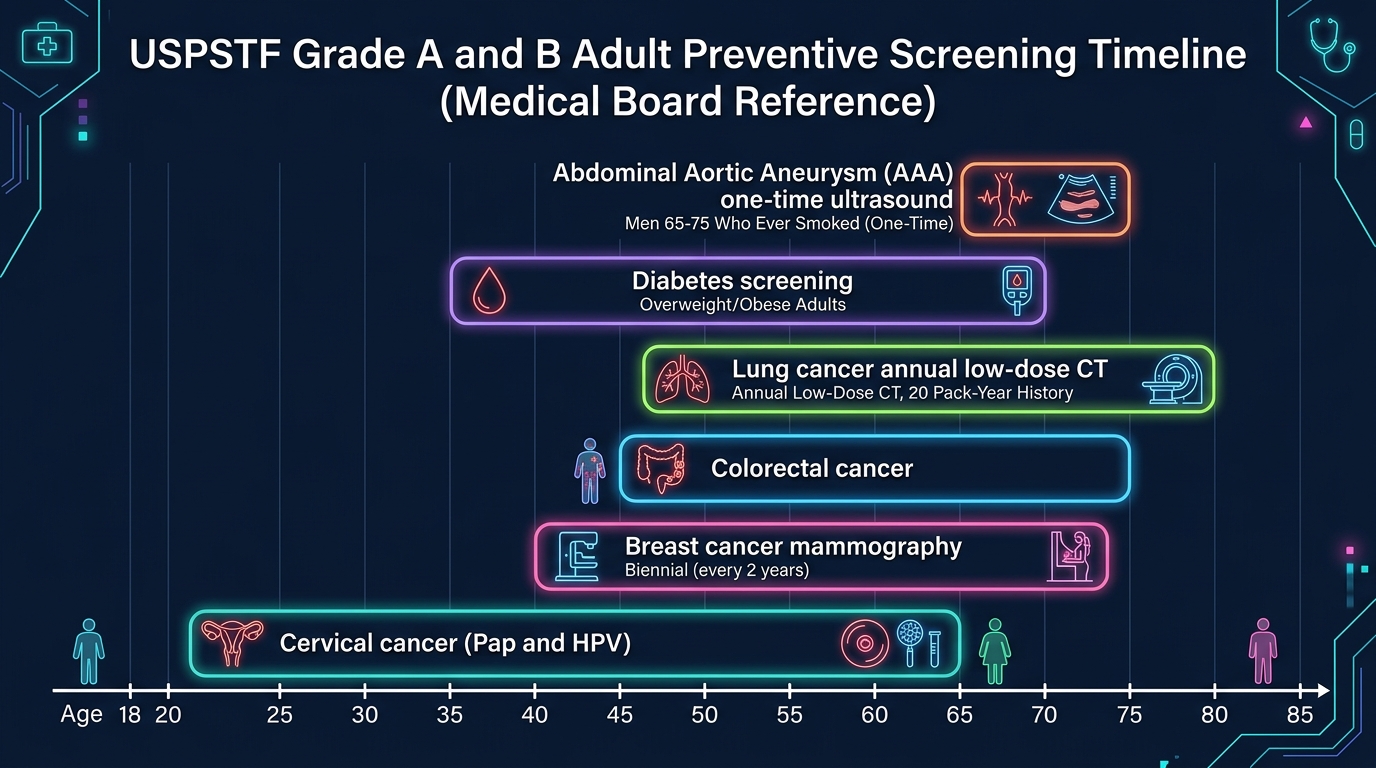
USPSTF Adult Preventive Screening Timeline
Master USPSTF Grade A and B Adult Preventive Screening Roadmap: 1) Colorectal cancer (ages 45–75); 2) Biennial screening mammography (ages 40–74); 3) Cervical cancer screening (ages 21–65); 4) Annual low-dose chest CT for lung cancer (ages 50–80 with 20+ pack-year history); 5) One-time abdominal aortic aneurysm ultrasound (men 65–75 who ever smoked); 6) Prediabetes/type 2 diabetes screening (ages 35–70 with BMI ≥ 25).

1.2 Lung, Prostate, and Abdominal Aortic Aneurysm (AAA) Screening

Cardiovascular and smoking-related screenings test strict patient cohort inclusion criteria:

  • Lung Cancer Screening: Annual low-dose CT (LDCT) scan for adults aged 50 to 80 years who have a 20 pack-year smoking history and currently smoke or have quit within the past 15 years. Discontinue once the individual has not smoked for 15 consecutive years or develops a health problem that substantially limits life expectancy or ability to undergo curative surgery.
  • Abdominal Aortic Aneurysm (AAA): One-time screening with abdominal duplex ultrasound in men aged 65 to 75 years who have ever smoked (at least 100 lifetime cigarettes; Grade B). Repair criteria: aneurysm diameter ≥ 5.5 cm, rapid expansion (>0.5 cm in 6 months or >1 cm in 1 year), or symptomatic.
  • Prostate Cancer: PSA screening is a Grade C recommendation (shared decision-making) for men aged 55 to 69 years. Do not screen men ≥ 70 years. Digital rectal exam (DRE) is not recommended by USPSTF as an independent screening tool.
  • Osteoporosis: Routine screening with dual-energy X-ray absorptiometry (DEXA) in women aged ≥ 65 years, or younger postmenopausal women whose 10-year fracture risk (FRAX score) equals or exceeds that of a 65-year-old white woman (≥ 9.3%). T-score ≤ -2.5 defines osteoporosis; T-score between -1.0 and -2.5 defines osteopenia.

1.3 Preventive Pharmacotherapy & Adult Immunization Schedules

Preventive pharmacotherapy recommendations have shifted significantly in recent updates:

  • Aspirin for Primary CVD Prevention: USPSTF recommends against initiating low-dose aspirin in adults aged ≥ 60 years for primary prevention due to bleeding risk exceeding net cardiovascular benefit. In adults aged 40–59 with ≥ 10% 10-year CVD risk, decision is individualized.
  • Statin Therapy for Primary Prevention: Prescribe low-to-moderate intensity statins for adults aged 40–75 with no prior CVD, ≥ 1 CVD risk factor (dyslipidemia, diabetes, HTN, smoking), and a calculated 10-year ASCVD risk ≥ 10% (Grade B).
  • Adult Vaccinations: Shingrix (recombinant zoster vaccine) 2-dose series for all immunocompetent adults aged ≥ 50 years regardless of previous shingles or Zostavax history. Pneumococcal conjugate (PCV20 alone or PCV15 followed by PPSV23 1 year later) for all adults aged ≥ 65 years or adults 19-64 with high-risk conditions (diabetes, chronic lung/heart/liver disease, smoking). RSV vaccine (single dose) for adults ≥ 60 years using shared decision making or all adults ≥ 75. Tdap booster every 10 years (or during every pregnancy at 27-36 weeks).
Clinical Reference Matrix
Clinical Matrix
Screening EntityTarget CohortModality & FrequencyDiscontinuation Criteria
Colorectal CancerAdults 45–75 yearsColonoscopy q10y, FIT q1y, or Cologuard q3yRoutinely at age 85
Breast CancerWomen 40–74 yearsBiennial screening mammographyAge 75 or life expectancy <10 years
Cervical CancerWomen 21–65 yearsPap q3y (21-29) or hrHPV/Co-test q5y (30-65)Age 65 if prior 10y screens negative; total hysterectomy
Lung CancerAdults 50–80 with 20 pack-yr historyAnnual Low-Dose Chest CT (LDCT)Quit > 15 years or life expectancy limited
Abdominal Aortic AneurysmMen 65–75 who have ever smokedOne-time Abdominal UltrasoundCompleted once; no repeat indicated if normal
OsteoporosisWomen ≥ 65 years (or high FRAX <65)DEXA scan of hip and lumbar spineRepeated every 2-5 years based on baseline T-score
High-Yield Board Trap: Cervical Screening Age Cutoffs
High-Yield Board Trap & Alert
A 19-year-old sexually active female asks for a Pap smear during her routine exam. The correct answer is DO NOT perform cytology. Cervical cancer screening begins strictly at age 21, regardless of age of coitarche, sexual history, or HPV vaccination status. Furthermore, human papillomavirus (HPV) co-testing is contraindicated in patients aged 21–29 because transient HPV infections are ubiquitous and clear spontaneously, causing unnecessary colposcopies.

Chapter 1 Quick-Check Self-Assessment

Test your clinical reasoning before moving to the next chapter
3 Vignettes
Board Vignette #1 Single Best Answer
A 52-year-old male with a 25 pack-year smoking history who currently smokes 1 pack per day presents for a routine physical exam. He has no chronic medical conditions, no cough, hemoptysis, or weight loss. Which of the following is the most appropriate next screening step?
Board Vignette #2 Single Best Answer
A 66-year-old woman presents for a Medicare wellness exam. Her medical records show normal Pap smears at ages 56, 59, 62, and 65, all negative for intraepithelial lesion or malignancy and negative for high-risk HPV. She has never had CIN2 or higher. What is the most appropriate cervical cancer screening plan?
Board Vignette #3 Single Best Answer
A 66-year-old male presents for a Medicare Annual Wellness Visit. He has a 30-pack-year smoking history and quit 5 years ago. He is asymptomatic with normal physical examination. Which of the following preventive screening tests is recommended by the USPSTF?
Estimated study time: 16 min
Chapter 2 • AHA/ACC Guidelines
18 min TOC

Ambulatory Cardiovascular Medicine & Hypertension

Clinical Overview & Board Focus

Essential hypertension affects over 30% of adult primary care patients. Board mastery requires understanding the ACC/AHA diagnostic staging, lifestyle modifications, first-line antihypertensive selection based on compelling indications and race, secondary hypertension screening, and outpatient management of stable CAD and hyperlipidemia.

2.1 Hypertension Classification and First-Line Pharmacotherapy

Hypertension is diagnosed based on an average of ≥ 2 properly measured blood pressure readings on ≥ 2 separate occasions:

  • Normal: SBP < 120 mmHg AND DBP < 80 mmHg.
  • Elevated BP: SBP 120–129 mmHg AND DBP < 80 mmHg. Treatment: Lifestyle modification (DASH diet, sodium reduction < 1500-2300 mg/day, 150 min aerobic exercise/week, weight loss).
  • Stage 1 Hypertension: SBP 130–139 mmHg OR DBP 80–89 mmHg. If 10-year ASCVD risk < 10%, lifestyle trial for 3–6 months. If ASCVD risk ≥ 10% or diabetes/CKD present, initiate monotherapy alongside lifestyle changes.
  • Stage 2 Hypertension: SBP ≥ 140 mmHg OR DBP ≥ 90 mmHg. Initiate two first-line agents of different classes simultaneously if BP is >20/10 mmHg above goal.
  • First-Line Antihypertensive Classes: Thiazide diuretics (chlorthalidone, hydrochlorothiazide), Dihydropyridine Calcium Channel Blockers (amlodipine, nifedipine), and ACE inhibitors / Angiotensin Receptor Blockers (lisinopril, losartan).

2.2 Compelling Indications & Special Populations

Antihypertensive selection must align with comorbid systemic disease:

  • Chronic Kidney Disease with Proteinuria: ACEi or ARB is mandatory (reduces intraglomerular hyperfiltration and retards renal progression). Discontinue if serum creatinine rises >30% or refractory hyperkalemia occurs.
  • Heart Failure with Reduced Ejection Fraction (HFrEF): Quadruple guideline-directed medical therapy (GDMT): ARNI/ACEi + Beta-blocker (carvedilol, metoprolol succinate, bisoprolol) + MRA (spironolactone) + SGLT2 inhibitor (dapagliflozin/empagliflozin).
  • Post-Myocardial Infarction / Stable Ischemic Heart Disease: Beta-blocker (cardioselective) and ACEi/ARB.
  • Black / African American Population without CKD: Initial therapy should include a Thiazide diuretic or DHP-CCB (amlodipine) due to lower plasma renin activity. ACE inhibitors have lower efficacy and higher risk of angioedema.
  • Secondary Hypertension Workup: Suspect when onset < 30 or > 55 years, resistant HTN (uncontrolled on 3 drugs including a diuretic), or sudden loss of control. Primary hyperaldosteronism (plasma aldosterone/renin ratio > 20:1 with aldosterone > 15 ng/dL), Renal Artery Stenosis (atherosclerotic in older men, fibromuscular dysplasia in young women with abdominal bruit), Cushing syndrome, Pheochromocytoma, and Obstructive Sleep Apnea.
OMM & Autonomic Autoregulation in Hypertension
High-Yield Clinical Takeaway
Cardiovascular sympathetics originate from T1–T5. Hyperactivity of the right deep cardiac plexus increases SA node tone (sinus tachycardia/supraventricular arrhythmias), while left deep cardiac plexus hyperactivity triggers ventricular irritability. Parasympathetic innervation travels via the Vagus nerve (CN X) through the jugular foramen (bordered by temporal and occipital bones); OA and AA somatic dysfunctions directly modulate vagal outflow. Chapman reflexes for the heart are found in the 2nd intercostal space adjacent to the sternum (anterior) and between the spines of T2–T3 (posterior).

Chapter 2 Quick-Check Self-Assessment

Test your clinical reasoning before moving to the next chapter
3 Vignettes
Board Vignette #1 Single Best Answer
A 58-year-old African American man presents for blood pressure evaluation. His average clinic blood pressure is 154/96 mmHg on three separate visits. His medical history includes type 2 diabetes mellitus without albuminuria (urine albumin-to-creatinine ratio 18 mg/g) and normal renal function (creatinine 0.9 mg/dL). Which of the following is the most appropriate initial antihypertensive regimen?
Board Vignette #2 Single Best Answer
A 28-year-old woman is evaluated for refractory hypertension with blood pressure readings consistently around 168/104 mmHg. She has no family history of early cardiovascular disease. On physical examination, a continuous systolic-diastolic epigastric bruit is audible. Basic metabolic panel shows potassium 3.6 mEq/L and creatinine 0.9 mg/dL. Which diagnostic test is most appropriate?
Board Vignette #3 Single Best Answer
A 54-year-old African American male with no previous medical history has confirmed blood pressure readings of 152/94 mmHg and 150/92 mmHg across two separate clinic visits. Serum creatinine and electrolytes are normal, and urine shows no proteinuria. According to AHA/ACC guidelines, what is the most appropriate initial antihypertensive therapy?
Estimated study time: 18 min
Chapter 3 • ADA Standards of Care
17 min TOC

Outpatient Endocrinology & Type 2 Diabetes Algorithms

Clinical Overview & Board Focus

Type 2 Diabetes Mellitus (T2DM) care requires fluency in diagnostic criteria, individualized glycemic targets (HbA1c goals), disease-modifying pharmacotherapies (GLP-1 receptor agonists and SGLT2 inhibitors for cardiorenal protection), lipid optimization, and microvascular screening protocols.

3.1 Diagnosis and Glycemic Goals in T2DM

Diagnostic criteria require two abnormal test results from either the same sample or two separate test samples:

  • Fasting Plasma Glucose (FPG): ≥ 126 mg/dL (fasting for ≥ 8 hours).
  • 2-Hour 75-g Oral Glucose Tolerance Test (OGTT): ≥ 200 mg/dL.
  • Hemoglobin A1c: ≥ 6.5% (NGSP certified).
  • Random Plasma Glucose: ≥ 200 mg/dL in a patient with classic symptoms of hyperglycemia (polyuria, polydipsia, polyphagia, unexplained weight loss) — diagnostic immediately without repeat testing.
  • Prediabetes Cutoffs: FPG 100–125 mg/dL; 2-hr OGTT 140–199 mg/dL; HbA1c 5.7%–6.4%.
  • Glycemic Goals: HbA1c < 7.0% for most non-pregnant adults. Less stringent goals (< 8.0%) are appropriate for patients with limited life expectancy, extensive vascular complications, severe hypoglycemia unawareness, or advanced dementia.

3.2 Antidiabetic Pharmacotherapy: Organ Protection Algorithms

Pharmacologic management is no longer purely glucocentric; contemporary ADA guidelines emphasize organ-protective therapy independent of baseline A1c:

  • Metformin (Biguanide): First-line agent unless contraindicated. Decreases hepatic gluconeogenesis and increases peripheral insulin sensitivity. Weight neutral/mild loss, zero hypoglycemia risk. Contraindicated if eGFR < 30 mL/min/1.73m² due to lactic acidosis risk. Monitor for Vitamin B12 deficiency.
  • SGLT2 Inhibitors (Empagliflozin, Dapagliflozin): Blocks proximal tubular glucose and sodium reabsorption. Mandatory indications: HFrEF, CKD with albuminuria (>30 mg/g), and established ASCVD. Benefits: reduces heart failure hospitalizations, slows CKD progression, promotes weight loss and mild BP reduction. Adverse effects: mycotic genital infections, euglycemic DKA, volume depletion.
  • GLP-1 Receptor Agonists (Semaglutide, Liraglutide): Incretin mimetic: stimulates glucose-dependent insulin secretion, inhibits glucagon, delays gastric emptying. Mandatory indications: Established ASCVD or high ASCVD risk, obesity. High potency A1c reduction and profound weight loss. Contraindications: history of medullary thyroid carcinoma or MEN 2; caution in pancreatitis.
  • Sulfonylureas (Glipizide, Glimepiride): Close K+ channels on beta-cells causing insulin release. High hypoglycemia risk, weight gain. Avoid glyburide in elderly/renal impairment due to active metabolite accumulation.
  • DPP-4 Inhibitors (Sitagliptin): Weight neutral, well-tolerated oral incretin enhancer. Avoid combining with GLP-1 RA. Avoid saxagliptin in heart failure.
Clinical Reference Matrix
Clinical Matrix
Drug ClassMechanism of ActionA1c Reduction & WeightKey Board Clinical Pearls
MetforminInhibits hepatic gluconeogenesisHigh (-1.5%), mild weight lossHold before IV iodinated contrast; check Vit B12; stop eGFR < 30
SGLT2i (-gliflozin)Inhibits tubular glucose reabsorptionIntermediate (-0.8%), weight lossReduces HF hospitalizations & CKD progression; risk of euglycemic DKA
GLP-1 RA (-tide)Activates GLP-1 incretin receptorVery high (-1.5-2.0%), marked lossCardiovascular event reduction; contraindicated in MTC and MEN 2
Sulfonylureas (-ide)Secretagogue; closes K-ATP channelsHigh (-1.0-1.5%), weight gainHigh hypoglycemia risk; avoid glyburide in CKD/elderly
Thiazolidinediones (TZDs)PPAR-gamma nuclear transcriptionHigh (-1.0-1.5%), weight gainCauses fluid retention; strictly contraindicated in NYHA III/IV HF
Annual Outpatient Diabetes Screening Triad
High-Yield Board Trap & Alert
Every diabetic patient requires three annual outpatient screening checks: (1) Dilated eye exam by an optometrist or ophthalmologist to detect diabetic retinopathy; (2) Spot urine albumin-to-creatinine ratio (uACR) to detect diabetic kidney disease (uACR ≥ 30 mg/g warrants ACEi/ARB and SGLT2i); and (3) Comprehensive foot exam with a 10-g Semmes-Weinstein monofilament and visual inspection for calluses, ulcers, and peripheral arterial pulses.

Chapter 3 Quick-Check Self-Assessment

Test your clinical reasoning before moving to the next chapter
3 Vignettes
Board Vignette #1 Single Best Answer
A 62-year-old male with a 6-year history of type 2 diabetes presents for follow-up. His current medications are metformin 1000 mg twice daily. Recent labs show HbA1c 8.2%, eGFR 52 mL/min/1.73m², and urine albumin-to-creatinine ratio 180 mg/g (normal < 30). He has a history of an anterior STEMI 3 years ago and chronic heart failure with an ejection fraction of 38%. Which medication should be added next to his regimen?
Board Vignette #2 Single Best Answer
A 48-year-old female with obesity (BMI 36 kg/m²) and newly diagnosed type 2 diabetes (HbA1c 8.6%) is being evaluated for antidiabetic therapy. Her family history is significant for her mother and brother having medullary thyroid carcinoma and bilateral pheochromocytomas. Which antidiabetic class is strictly contraindicated in this patient?
Board Vignette #3 Single Best Answer
A 60-year-old male with type 2 diabetes (HbA1c 8.4%) and established coronary artery disease (prior MI 3 years ago) is currently taking metformin 1,000 mg twice daily. Serum creatinine is 1.1 mg/dL. In accordance with ADA Standards of Care, what medication should be added to improve glycemic control and reduce major adverse cardiovascular events (MACE)?
Estimated study time: 17 min
Chapter 4 • Sports Medicine & OMM
18 min TOC

Ambulatory Musculoskeletal Medicine & Sports Injuries

Clinical Overview & Board Focus

Outpatient musculoskeletal complaints represent over 20% of primary care visits. Shelf questions test physical exam maneuvers, red flag indications for urgent imaging, management of common tendonopathies and ligament tears, and targeted osteopathic manipulative medicine techniques.

4.1 Shoulder and Knee Diagnostic Maneuvers

Accurate clinical diagnosis requires specific orthopedic provocative maneuvers:

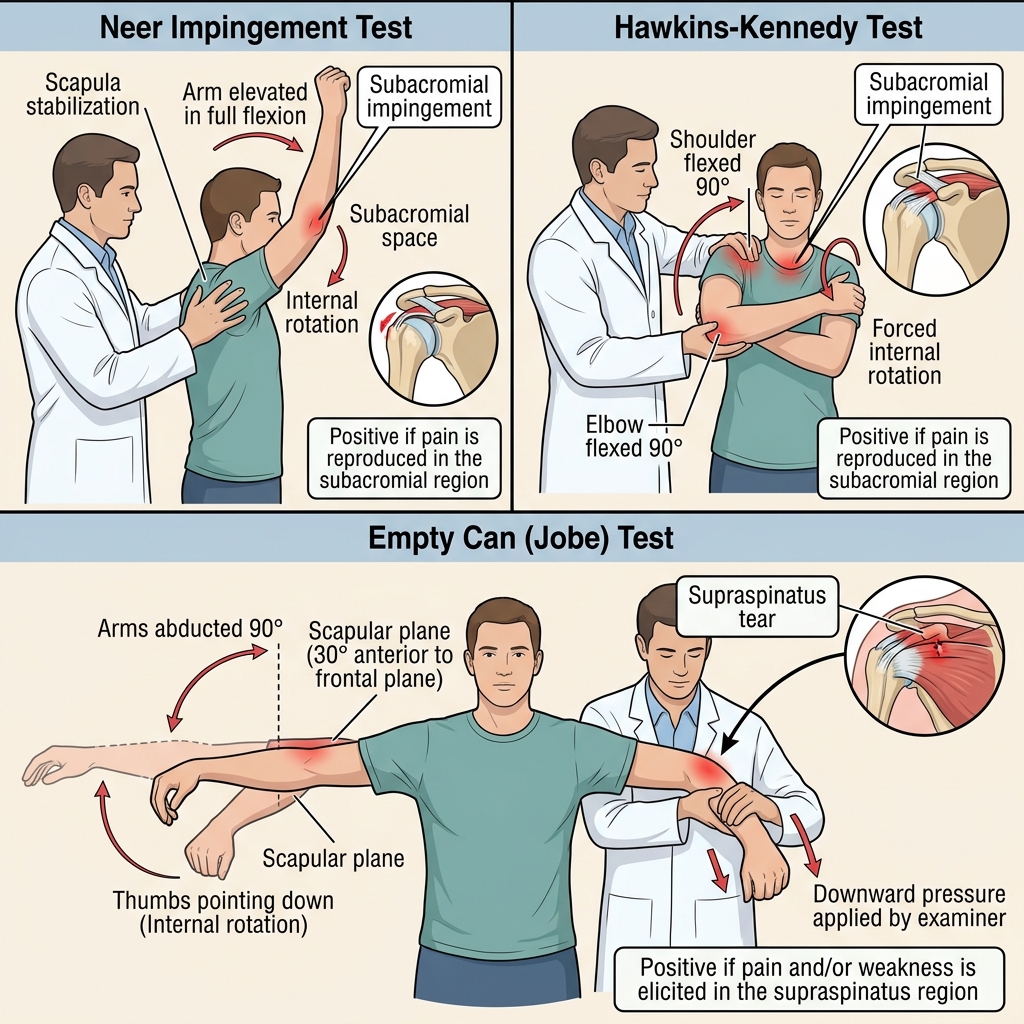
  • Rotator Cuff Pathology: Supraspinatus is the most commonly torn muscle (tested via Empty Can / Jobe test and Drop Arm test). Infraspinatus/Teres Minor tested via resisted external rotation. Subscapularis tested via Lift-off test or Bear Hug test. Subacromial Impingement is evaluated via Neer test (forced forward flexion with forearm pronated) and Hawkins-Kennedy test (internal rotation of shoulder at 90° flexion).
  • Anterior Cruciate Ligament (ACL): Lachman test is the most sensitive physical exam maneuver (anterior tibial translation at 20-30° knee flexion). Anterior drawer test is less sensitive due to hamstring spasm. Sudden 'pop' with rapid hemarthrosis after non-contact deceleration or pivoting.
  • Meniscal Tears: Joint line tenderness (most sensitive sign) and McMurray test (audible/palpable click or pain with knee extension during tibial axial loading and rotation: internal rotation tests lateral meniscus; external rotation tests medial meniscus).
  • Patellofemoral Pain Syndrome: Chronic anterior peripatellar aching in young females, worse with prolonged sitting ('theater sign') or descending stairs. Positive patellar compression/grind (Clarke test). First-line treatment: VMO (vastus medialis oblique) strengthening.
Shoulder Impingement Neer Hawkins Empty Can Provocative Tests
Diagnostic maneuvers for subacromial impingement and rotator cuff tears: 1) Neer Impingement Test (passive maximal forward flexion reproducing subacromial pain), 2) Hawkins-Kennedy Test (internal rotation at 90° shoulder and elbow flexion), and 3) Empty Can (Jobe) Test (downward resistance at 90° abduction in scapular plane with thumbs pointed down, isolating supraspinatus pathology).

4.2 Low Back Pain Red Flags & Ottawa Rules

Low back pain is the most frequent outpatient MSK presentation. Most cases represent acute mechanical/musculoskeletal strain resolving within 4–6 weeks without imaging:

  • Red Flags Warranting Immediate MRI: Cauda Equina Syndrome (saddle anesthesia, bowel/bladder incontinence, progressive lower extremity weakness; emergent neurosurgical decompression), Spinal Epidural Abscess / Infection (fever, IV drug use, ESR/CRP elevation), Malignancy (history of cancer, unexplained weight loss, night pain unrelieved by rest, age > 50).
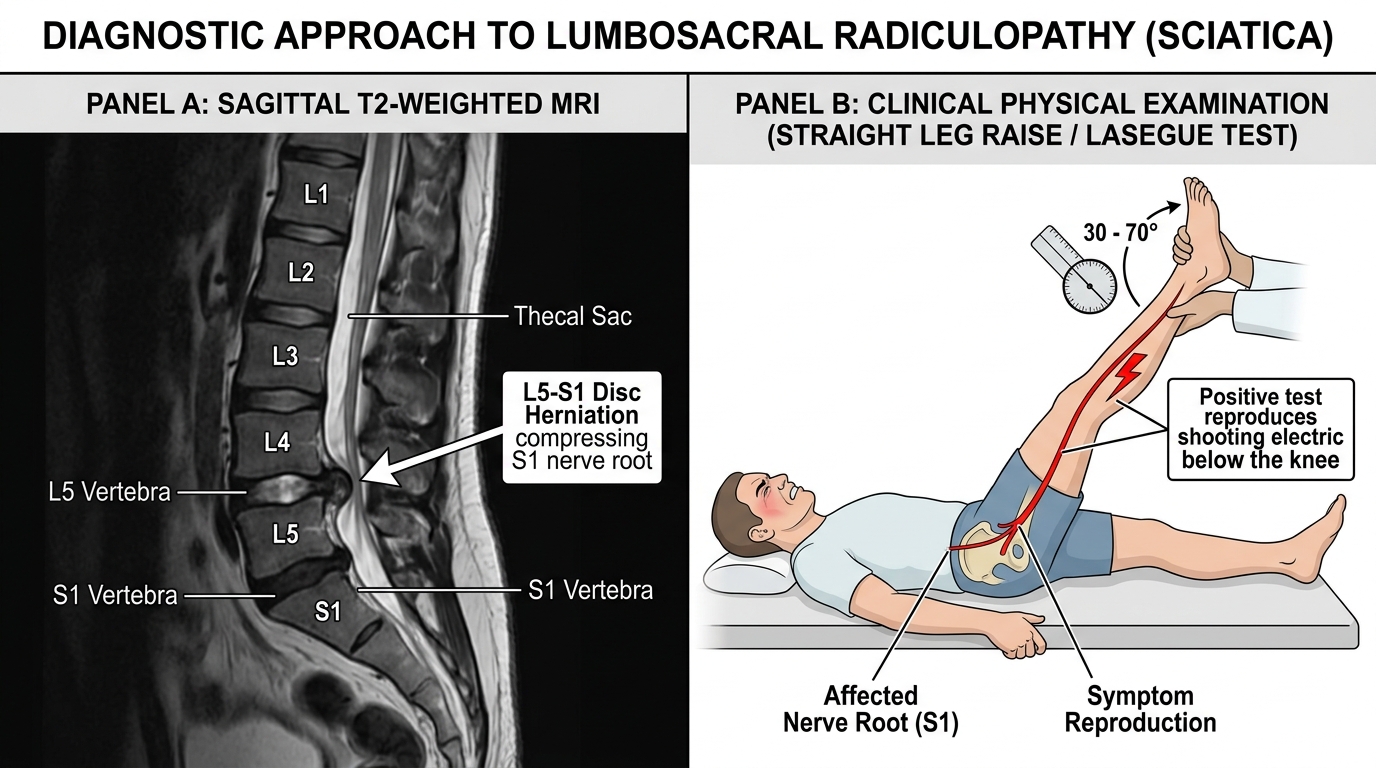
  • Lumbosacral Radiculopathy (Sciatica): Positive Straight Leg Raise (Lasegue test) (pain radiating below knee at 30–70° elevation) and Crossed Straight Leg Raise (highly specific: elevating unaffected leg reproduces contralateral sciatica, indicating herniated disc). Conservative therapy (NSAIDs + physical therapy) for first 6 weeks unless motor deficits progress.
  • Ottawa Ankle Rules: Ankle X-rays indicated only if pain in malleolar zone AND: bone tenderness at posterior edge or tip of lateral malleolus (distal 6 cm), OR posterior edge/tip of medial malleolus (distal 6 cm), OR inability to bear weight both immediately and in the clinic (4 steps).
  • Ottawa Knee Rules: Knee X-rays required only if acute knee injury plus any of: age ≥ 55, isolated tenderness of patella, tenderness at head of fibula, inability to flex knee to 90°, or inability to bear weight immediately and in clinic.
Lumbar spine MRI and straight leg raise test
Diagnostic approach to lumbosacral radiculopathy: Panel A demonstrates a sagittal T2-weighted MRI revealing a prominent L5-S1 disc herniation compressing the traversing S1 nerve root. Panel B illustrates the Straight Leg Raise (Lasegue Test) reproducing sharp electric radicular pain radiating below the knee between 30° and 70° of passive hip flexion.
OMM Correlation: Psoas Syndrome & Fibular Head Dysfunction
High-Yield Clinical Takeaway
A hypertonic psoas muscle creates ipsilateral pelvic sidebending, contralateral pelvic rotation, and an L1 or L2 Type II somatic dysfunction rotated and sidebent toward the hypertonic side. It is tested with the Thomas test. Treatment begins at the upper lumbar spine with Counterstrain or Muscle Energy. In ankle inversion sprains (anterior talofibular ligament), the distal fibula slides anteriorly while the fibular head glides posterior, which can impinge the common fibular (peroneal) nerve causing weakness in dorsiflexion and foot drop.

Chapter 4 Quick-Check Self-Assessment

Test your clinical reasoning before moving to the next chapter
3 Vignettes
Board Vignette #1 Single Best Answer
A 22-year-old female collegiate soccer player decelerates sharply to change direction and feels an immediate, audible 'pop' deep within her right knee followed by rapid swelling over the next 2 hours. Physical examination reveals a large effusion. Which physical examination test has the highest sensitivity for confirming this patient's suspected ligamentous injury?
Board Vignette #2 Single Best Answer
A 45-year-old male presents with acute severe low back pain radiating down his right posterior thigh into his lateral calf after lifting heavy boxes. On exam, reflex testing demonstrates a diminished right Achilles tendon reflex. Sensation to pinprick is diminished over the lateral border of the right foot and small toe. Strength testing reveals weakness during foot plantarflexion. Which nerve root is compromised?
Board Vignette #3 Single Best Answer
A 45-year-old tennis player presents with severe lateral right elbow pain that worsens with wrist extension against resistance and gripping. What is the diagnosis and primary muscular origin involved?
Estimated study time: 18 min
Chapter 5 • High-Yield Derm
16 min TOC

Ambulatory Dermatology & Cutaneous Lesions

Clinical Overview & Board Focus

Outpatient dermatology focuses heavily on differentiating benign from malignant cutaneous neoplasms, managing inflammatory dermatoses (psoriasis, eczema, acne), recognizing tick-borne eruptions, and identifying dermatologic manifestations of systemic illness.

5.1 Cutaneous Neoplasms: BCC, SCC, and Melanoma

Differentiating cutaneous malignancies requires recognizing pathognomonic physical features and dermatopathology:

  • Basal Cell Carcinoma (BCC): Most common skin cancer worldwide. Classically appears as a pearly, translucent papule or nodule with rolled borders, central ulceration, and overlying branching telangiectasias on sun-exposed head/neck. Histopathology demonstrates peripheral palisading of basaloid cells with clefting artifact. Rarely metastasizes. Excision with negative margins or Mohs micrographic surgery (for high-risk facial lesions) is curative.
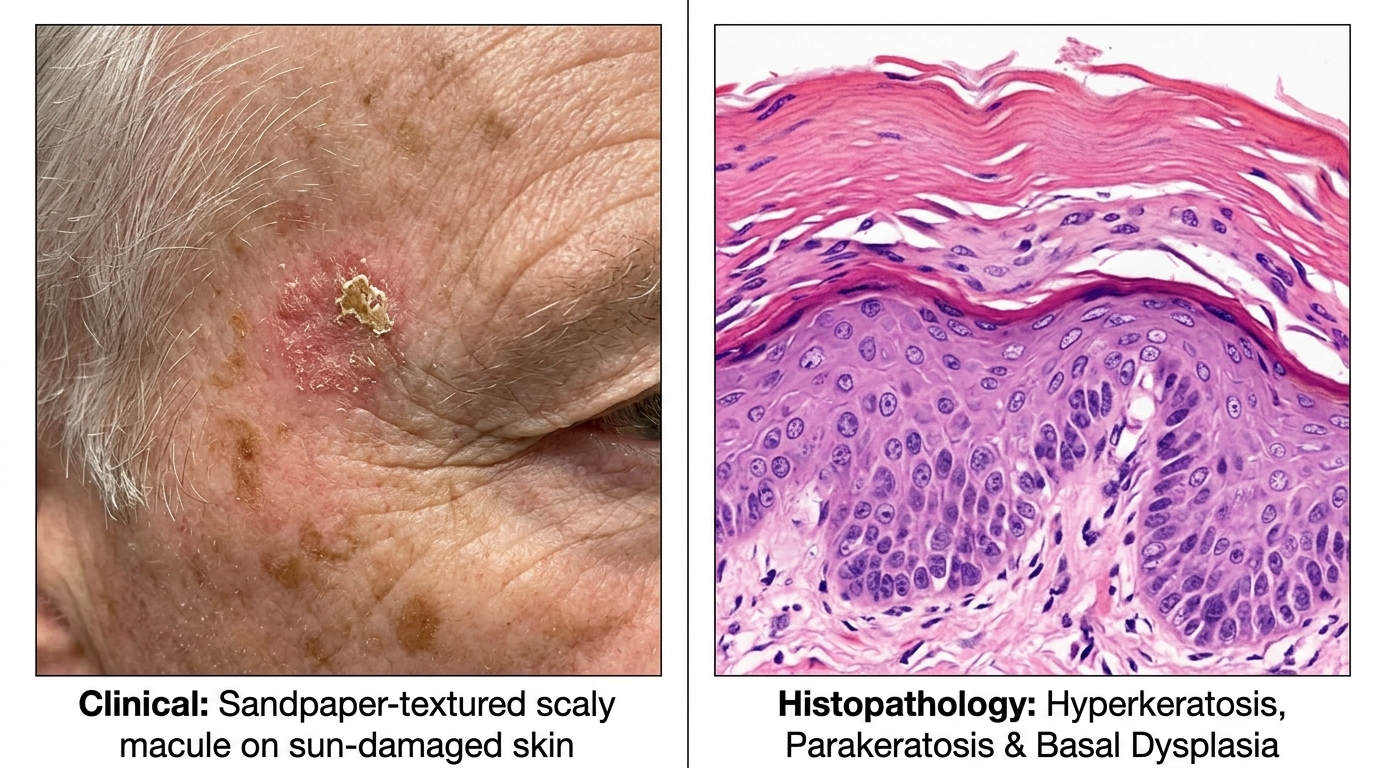
  • Squamous Cell Carcinoma (SCC): Second most common skin cancer; arises from keratinocytes. Presents as a firm, hyperkeratotic, scaly plaque or ulcerated indurated nodule on sun-exposed skin. Precursor lesion is actinic keratosis (erythematous rough sandpaper-like macules treated with cryotherapy or topical 5-FU). Histopathology shows atypical keratinocytes with keratin pearls. Potential for metastasis, especially on the lip and ear.
  • Malignant Melanoma: ABCDE criteria: Asymmetry, Border irregularity, Color variation, Diameter > 6 mm, Evolving. Most important prognostic factor for non-metastatic melanoma is Breslow thickness (depth of invasion from granular layer of epidermis to base of tumor). Initial biopsy must be an excisional biopsy with 1-3 mm margins; never perform partial shave biopsy of suspected melanoma.
Actinic Keratosis Parakeratosis Histology
Histopathology of Actinic Keratosis (AK): Intraepidermal atypical keratinocytes with prominent hyperkeratosis and parakeratosis (retention of nuclei in the stratum corneum). AK is a UV-induced premalignant precursor lesion that can progress to invasive Cutaneous Squamous Cell Carcinoma (SCC). First-line treatments include liquid nitrogen cryotherapy or topical 5-fluorouracil (5-FU).

5.2 Inflammatory Dermatoses, Rashes, and Tick-Borne Eruptions

High-yield ambulatory eruptions tested on COMLEX:

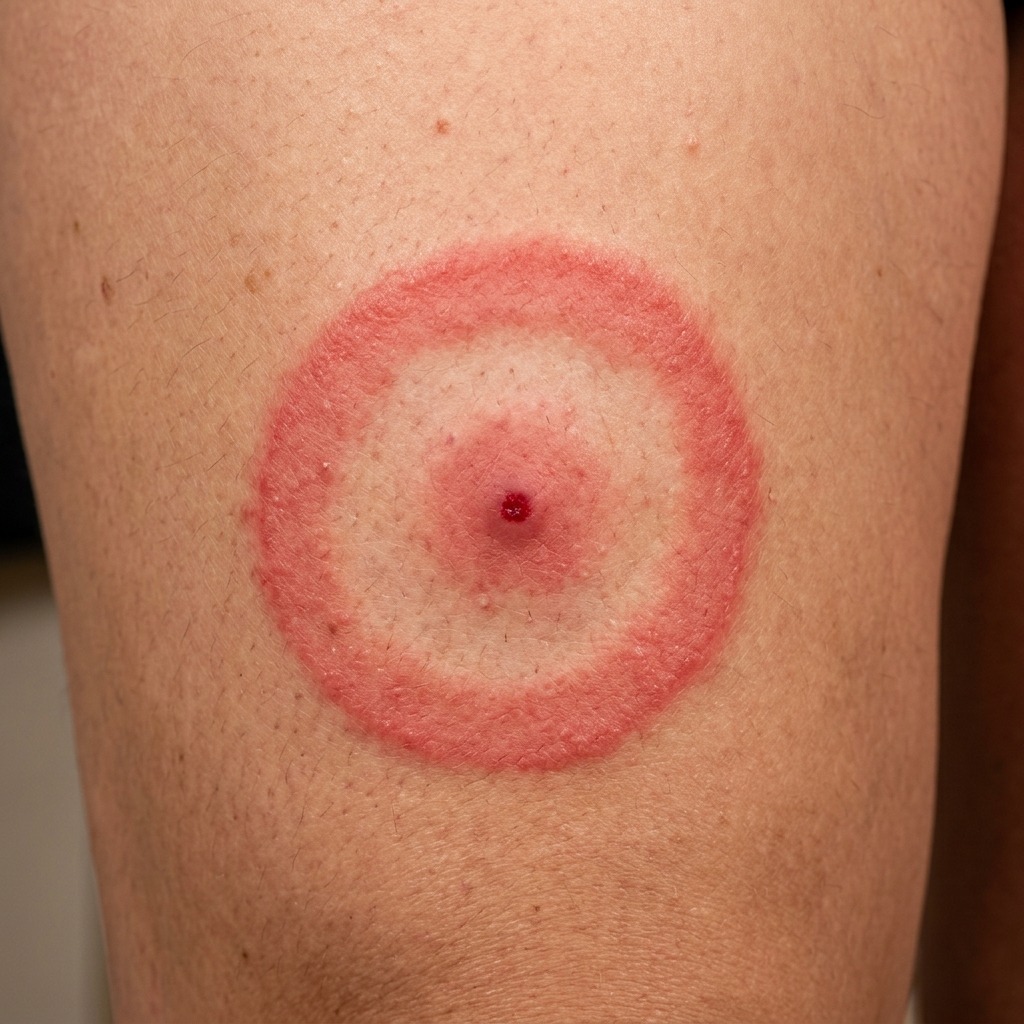
  • Erythema Migrans (Lyme Disease): Expanding erythematous annular patch with central clearing ('bullseye') appearing 7–14 days following an Ixodes scapularis tick bite in endemic regions (Northeast/Midwest). Clinical diagnosis; do not order serology in early localized disease (antibodies are negative). Treatment: Doxycycline (100 mg BID for 10-14 days); amoxicillin or cefuroxime in pregnant women.
  • Psoriasis: Well-demarcated salmon-pink plaques with silvery micaceous scale on extensor surfaces (knees, elbows, scalp). Auspitz sign (pinpoint bleeding when scale is scraped); Koebner phenomenon (lesions induced by local trauma). Treatment: Topical corticosteroids and Vitamin D analogues (calcipotriene); biologic agents (anti-TNF, IL-17/23 inhibitors) for moderate-to-severe disease or psoriatic arthritis.
  • Atopic Dermatitis (Eczema): Pruritic, erythematous excoriations and lichenification on flexural surfaces (antecubital and popliteal fossae). Associated with asthma and allergic rhinitis (atopic triad). First-line: emollients and topical corticosteroids or topical calcineurin inhibitors (tacrolimus).
  • Pityriasis Rosea: Solitary oval herald patch on the trunk followed days later by a diffuse secondary eruption of salmon-colored oval macules oriented along Langer cleavage lines in a 'Christmas tree' pattern. Self-limited (resolves in 6-8 weeks); symptomatic management with antihistamines.
Erythema migrans rash
Figure 5.2: Erythema Migrans Rash of Early Localized Lyme Disease. The expanding annular erythematous plaque with central clearing is diagnostic without need for serologic confirmation.
Board Trap: Suspected Melanoma Biopsy Technique
High-Yield Board Trap & Alert
When an irregular pigmented skin lesion is suspicious for melanoma, the correct next step in management is full-thickness excisional biopsy with 1 to 3 mm margins. Avoid superficial shave biopsy, as transecting the base of the lesion obscures the Breslow depth—the single most vital determinant of surgical margins, sentinel node biopsy eligibility, and overall survival.

Chapter 5 Quick-Check Self-Assessment

Test your clinical reasoning before moving to the next chapter

3 Vignettes
Board Vignette #1 Single Best Answer
A 64-year-old retired farmer presents with a non-healing lesion on his left temple that has slowly enlarged over the past 9 months. On physical examination, there is a 7-mm flesh-colored, translucent papule with a pearly border and prominent overlying branching telangiectasias. A shallow central ulceration is present. Biopsy reveals nests of uniform basaloid epithelial cells with peripheral nuclear palisading. Which of the following is the diagnosis?
Board Vignette #2 Single Best Answer
A 26-year-old outdoor camp counselor in Connecticut presents with an expanding 9-cm erythematous annular plaque on his left thigh with prominent central clearing. He reports mild fatigue and myalgias. He does not recall an insect or tick bite. Vital signs are normal. What is the most appropriate management?
Board Vignette #3 Single Best Answer
A 68-year-old retired farmer presents with a non-healing pearly, translucent nodule with rolled borders and prominent arborizing telangiectasias on his right temple. Biopsy demonstrates islands of basaloid cells with peripheral palisading nuclei. What is the diagnosis?
Estimated study time: 16 min
Chapter 6 • Antimicrobial Protocols
16 min TOC

Outpatient Infectious Diseases & Antibiotic Stewardship

Clinical Overview & Board Focus

Primary care physicians encounter upper respiratory infections, community-acquired pneumonia, urinary tract infections, and sexually transmitted infections daily. Examination questions emphasize avoiding inappropriate antibiotic prescribing in viral syndromes while selecting targeted, guideline-concordant antimicrobials when bacterial infection is confirmed.

6.1 Upper Respiratory Tract Infections: Centor Criteria & Sinusitis

Antibiotic stewardship requires strict application of clinical diagnostic criteria:

  • Pharyngitis (Centor / McIsaac Criteria): Criteria: (1) Fever (>38°C / 100.4°F), (2) Tender anterior cervical lymphadenopathy, (3) Tonsillar exudates, (4) Absence of cough. Age modifier: +1 if 3-14 years; 0 if 15-44; -1 if ≥ 45. Score 0–1: No testing or antibiotics (viral). Score 2–3: Rapid Antigen Detection Test (RADT); treat with oral Penicillin V or Amoxicillin if positive. In children with negative RADT, follow-up throat culture is mandatory to prevent acute rheumatic fever.
  • Acute Rhinosinusitis: Majority is viral (rhinovirus, influenza). Prescribe antibiotics only if bacterial sinusitis criteria are met: (1) Persistent symptoms ≥ 10 days without clinical improvement, (2) Severe onset (high fever ≥ 39°C and purulent nasal discharge) for ≥ 3 consecutive days, or (3) 'Double sickening' (worsening after initial recovery). First-line antibiotic: Amoxicillin-clavulanate (Augmentin); doxycycline in penicillin-allergic patients.
  • Acute Otitis Media (AOM): Bulging, erythematous tympanic membrane with impaired mobility. Pathogens: Streptococcus pneumoniae, nontypeable Haemophilus influenzae, Moraxella catarrhalis. First-line: High-dose Amoxicillin (80-90 mg/kg/day); augmentin if treatment failure or concurrent purulent conjunctivitis.

6.2 Uncomplicated UTI, Pyelonephritis, and Prostatitis

Genitourinary tract infections are categorized based on anatomical location and host complications:

  • Uncomplicated Cystitis: Dysuria, frequency, urgency in healthy, non-pregnant premenopausal female. No pelvic exam or urine culture required. First-line options: Nitrofurantoin (100 mg BID for 5 days; avoid if eGFR < 30), TMP-SMX (1 DS tab BID for 3 days; avoid if local resistance >20%), or Fosfomycin (3 g single oral sachet). Reserve fluoroquinolones.
  • Acute Pyelonephritis: Fever, chills, flank pain, and costovertebral angle (CVA) tenderness. Outpatient therapy for mild/stable cases: oral Ciprofloxacin (500 mg BID for 7 days) or Levofloxacin, preceded by a single IV dose of Ceftriaxone. Urine culture is mandatory.
  • Acute Bacterial Prostatitis: Fevers, chills, dysuria, pelvic/perineal pain, and exquisitely tender, boggy prostate on gentle DRE. Caution: Vigorous prostatic massage is strictly contraindicated (risk of bacteremia). In men < 35 years: N. gonorrhoeae and C. trachomatis (treat with Ceftriaxone IM + Doxycycline). In men > 35 years: E. coli and coliforms (treat with Ciprofloxacin or TMP-SMX for 4–6 weeks to ensure tissue penetration).
OMM Correlation: Viscerosomatic Reflexes of the GU Tract
High-Yield Clinical Takeaway
Kidney and upper ureter sympathetic innervation arises from T10–T11; Chapman reflex located 1 inch superior and 1 inch lateral to the umbilicus (anterior) and between the transverse processes of T12–L1 (posterior). Lower ureters and bladder receive sympathetic outflow from T12–L2; anterior bladder Chapman point is on the periumbilical region and superior edge of pubic symphysis. Treating thoracolumbar paraspinal somatic dysfunctions with Rib Raising and Paraspinal Inhibition reduces sympathetic tone, improving visceral blood supply and lymphatic drainage.

Chapter 6 Quick-Check Self-Assessment

Test your clinical reasoning before moving to the next chapter

3 Vignettes
Board Vignette #1 Single Best Answer
A 23-year-old female presents with a 2-day history of burning with urination and increased urinary frequency. She denies fever, chills, flank pain, nausea, or abnormal vaginal discharge. She is not pregnant. Physical examination reveals mild suprapubic tenderness without costovertebral angle tenderness. Urine dipstick is positive for leukocyte esterase and nitrites. Which of the following is the most appropriate initial antimicrobial therapy?
Board Vignette #2 Single Best Answer
A 29-year-old male presents with acute dysuria, perineal aching, and high fever (102.4°F) for 24 hours. He notes difficulty initiating a stream. Physical examination reveals an exquisitely tender, warm, and swollen prostate on gentle digital rectal examination. Urinalysis shows 40 WBCs/hpf. Which of the following diagnostic maneuvers or procedures is contraindicated in this patient?
Board Vignette #3 Single Best Answer
A 26-year-old non-pregnant female presents with dysuria, urinary frequency, and suprapubic discomfort for 2 days. She has no fever, flank pain, or vaginal symptoms. Urinalysis reveals positive leukocyte esterase and nitrites. What is the recommended first-line empiric treatment for acute uncomplicated cystitis?
Estimated study time: 16 min
Chapter 7 • Reproductive & Endocrine
16 min TOC

Men's & Women's Ambulatory Health & Intimate Wellness

Clinical Overview & Board Focus

Ambulatory care encompasses contraception selection, benign prostatic hyperplasia, male hypogonadism, erectile dysfunction, abnormal uterine bleeding, and preconception counseling. Candidates must master contraindications for hormonal therapies and initial pharmacologic algorithms.

7.1 Contraception Selection and Contraindications

Contraception must be tailored to patient comorbidities, efficacy desires, and contraindications:

  • Long-Acting Reversible Contraceptives (LARCs): Most effective methods (>99% efficacy). Copper IUD (ParaGard): hormone-free, lasts 10 years, can cause increased menorrhagia/dysmenorrhea, excellent emergency contraceptive (up to 5 days). Levonorgestrel IUD (Mirena/Kyleena): lasts 5-8 years, induces amenorrhea, first-line for abnormal uterine bleeding. Subdermal Etonogestrel implant (Nexplanon): lasts 3-5 years, irregular spotting is most common side effect.
  • Combined Hormonal Contraceptives (CHCs - Estrogen + Progestin): Oral pills, transdermal patch, vaginal ring. Absolute Contraindications: Age ≥ 35 years who smoke ≥ 15 cigarettes/day; history of DVT/PE or inherited thrombophilia; history of ischemic heart disease or stroke; migraine with aura (increased stroke risk); active breast or estrogen-dependent cancer; severe cirrhosis or liver adenoma; uncontrolled hypertension (BP ≥ 160/100).
  • Progestin-Only Options: Depo-medroxyprogesterone acetate (DMPA) injection every 12 weeks (adverse effect: bone mineral density loss with use > 2 years; weight gain). Progestin-only pills (mini-pill): safe in postpartum breastfeeding women, smokers > 35, and those with contraindications to estrogen.

7.2 Benign Prostatic Hyperplasia (BPH) & Erectile Dysfunction

Common male ambulatory presentations require systematic medical escalation:

  • Benign Prostatic Hyperplasia (BPH): Hyperplasia of the transitional zone of the prostate causing lower urinary tract symptoms (LUTS: hesitancy, weak stream, nocturia, post-void dribbling). DRE reveals a smoothly enlarged, nontender prostate without nodules.
  • BPH Pharmacotherapy: Alpha-1 adrenergic antagonists (Tamsulosin, Alfuzosin, Terazosin) are first-line for rapid symptom relief (relax smooth muscle in bladder neck and prostate; side effect: orthostatic hypotension, floppy iris syndrome during cataract surgery). 5-alpha reductase inhibitors (Finasteride, Dutasteride) block conversion of testosterone to DHT, reducing actual prostate volume over 6–12 months; useful for enlarged prostates > 30-40 g (reduces serum PSA by 50%). Combination therapy is superior for severe progression risk.
  • Erectile Dysfunction (ED): Most common etiology is vascular disease (endothelial dysfunction). First-line: PDE-5 inhibitors (Sildenafil, Tadalafil). Strict Contraindication: Concurrent use with nitrates (nitroglycerin, isosorbide mononitrate) due to synergistic cGMP elevation causing life-threatening refractory hypotension. Hold sildenafil for ≥ 24 hours (tadalafil ≥ 48 hours) before administering nitrates.
OMM Correlation: Pelvic Floor and Sacral Somatic Dysfunctions in LUTS
High-Yield Clinical Takeaway
Parasympathetic innervation to the pelvic viscera, bladder, and prostate arises from the pelvic splanchnic nerves (S2–S4). Sacral somatic dysfunctions (sacral torsions, shears) or hypertonicity of the levator ani and pubococcygeus muscles can alter bladder sphincter function. Sacral rocking restores parasympathetic equilibrium and alleviates urinary retention symptoms.

Chapter 7 Quick-Check Self-Assessment

Test your clinical reasoning before moving to the next chapter

3 Vignettes
Board Vignette #1 Single Best Answer
A 36-year-old G2P2 female presents requesting initiation of contraception. Her medical history is significant for migraine headaches with visual aura (flashing lights and scintillating scotoma preceding the headache by 30 minutes). She smokes half a pack of cigarettes daily. Which of the following contraceptive methods is contraindicated in this patient?
Board Vignette #2 Single Best Answer
A 68-year-old male with benign prostatic hyperplasia and coronary artery disease presents with worsening urinary hesitancy and weak stream. His prostate is smoothly enlarged (estimated 55 grams). He also reports erectile dysfunction for which he takes sildenafil as needed. If finasteride is initiated for his BPH, which of the following monitoring considerations is essential?
Board Vignette #3 Single Best Answer
A 64-year-old male presents with urinary hesitancy, weak stream, post-void dribbling, and nocturia 3 times per night. Digital rectal exam reveals a smooth, symmetric, nontender, enlarged prostate without nodules. Serum PSA is 1.8 ng/mL. He desires rapid symptom relief. What is the most appropriate first-line medical therapy?
Estimated study time: 16 min
Chapter 8 • Beers Criteria & Ethics
17 min TOC

Geriatric Medicine, Polypharmacy & Palliative Care

Clinical Overview & Board Focus

Geriatric care questions focus on the AGS Beers Criteria for potentially inappropriate medication use, evaluation of cognitive impairment, fall risk assessment, urinary incontinence subtypes, and advance directives/hospice eligibility.

8.1 The AGS Beers Criteria: Inappropriate Medications in Older Adults

The American Geriatrics Society (AGS) Beers Criteria guide avoidance of medications with unfavorable benefit-to-risk profiles in adults aged ≥ 65 years:

  • Anticholinergics (Diphenhydramine, Hydroxyzine, Oxybutynin): High risk of acute confusion, hallucinations, dry mouth, severe constipation, urinary retention, and increased falls. Avoid for insomnia or allergic rhinitis.
  • Sedative-Hypnotics & Benzodiazepines (Zolpidem, Lorazepam, Diazepam): Significant risk of motor vehicle collisions, falls, hip fractures, and cognitive decline. First-line therapy for insomnia in elderly: Cognitive Behavioral Therapy for Insomnia (CBT-I).
  • Tricyclic Antidepressants (Amitriptyline, Imipramine): Highly anticholinergic, causes sedation, orthostatic hypotension, and cardiac conduction slowing. Avoid for depression or neuropathic pain.
  • Antipsychotics (Haloperidol, Quetiapine, Olanzapine): Increased mortality from cardiovascular events and infection when used for behavioral disturbances in dementia. Reserve strictly for patients who are a danger to themselves or others and non-pharmacologic interventions have failed.
  • NSAIDs (Ibuprofen, Naproxen, Ketorolac): Chronic use increases risk of peptic ulcer disease, GI hemorrhage, acute renal failure, and heart failure exacerbations.
  • Sulfonylureas (Glyburide): Long-acting secretagogue with high risk of severe prolonged hypoglycemia. Use glipizide if a sulfonylurea is unavoidable.

8.2 Urinary Incontinence Subtypes & Cognitive Assessment

Differentiating urinary incontinence mechanisms dictates distinct non-pharmacologic and pharmacologic interventions:

  • Stress Incontinence: Leakage with coughing, sneezing, laughing, or lifting. Etiology: urethral hypermobility or intrinsic sphincter deficiency (often post-multiparity or pelvic surgery). First-line: Pelvic floor muscle exercises (Kegel exercises) and pessaries; midurethral sling surgery if refractory.
  • Urgency Incontinence: Sudden overwhelming urge to void followed by involuntary leakage. Etiology: detrusor muscle overactivity. First-line: Bladder training, scheduled voiding, and fluid modification. Pharmacotherapy: Mirabegron (beta-3 adrenergic agonist; preferred over anticholinergics in elderly to avoid cognitive side effects) or antimuscarinics (oxybutynin, tolterodine).
  • Overflow Incontinence: Continuous dribbling, incomplete emptying, elevated post-void residual (> 200-300 mL). Etiology: detrusor underactivity (neurogenic bladder in diabetes) or outlet obstruction (severe BPH). Relieve obstruction; cholinergic agonist (bethanechol) or intermittent catheterization.
  • Cognitive Impairment Workup: Differentiate Normal Aging, Mild Cognitive Impairment (MCI: objective deficit on MoCA/MMSE but preserved functional independence in IADLs), and Dementia (cognitive deficit impairs independence in IADLs/ADLs). Required reversible cause workup: TSH, Vitamin B12, and non-contrast head CT/MRI; add RPR/syphilis and HIV if clinically indicated.
Clinical Reference Matrix
Clinical Matrix
Incontinence SubtypeUnderlying MechanismClinical PresentationFirst-Line Therapy
Stress IncontinenceUrethral hypermobility; sphincter weaknessLeakage with cough, sneeze, laugh, valsalvaPelvic floor muscle training (Kegels); pessary
Urgency IncontinenceDetrusor smooth muscle overactivitySudden compelling urge followed by leakageBladder training; Mirabegron (beta-3 agonist)
Overflow IncontinenceImpaired detrusor contractility or outlet blockContinuous dribbling, fullness; PVR > 200 mLRelieve obstruction; intermittent catheterization
Functional IncontinencePhysical or cognitive impairment to reach toiletNormal bladder physiology; mobility limitationScheduled toileting assistance, bedside commode
Hospice Care Eligibility Criteria on Board Exams
High-Yield Clinical Takeaway
Eligibility for the Medicare Hospice Benefit requires two physicians to certify that the patient has a terminal prognosis of ≤ 6 months if the disease runs its natural course, and the patient or their surrogate elects to pursue comfort-oriented palliative care rather than disease-directed curative treatments. Advance care planning, durable power of attorney for healthcare (DPOA-HC), and POLST/MOLST documents ensure patient autonomy is honored when decision-making capacity is lost.

Chapter 8 Quick-Check Self-Assessment

Test your clinical reasoning before moving to the next chapter

3 Vignettes
Board Vignette #1 Single Best Answer
A 78-year-old female is brought to the clinic by her daughter due to progressive forgetfulness, daytime somnolence, and two near-falls over the past 3 weeks. Her current medications include diphenhydramine 25 mg nightly for insomnia, hydrochlorothiazide 25 mg daily, and lisinopril 10 mg daily. Montreal Cognitive Assessment (MoCA) score is 23/30. Physical exam shows dry oral mucosa and mild orthostatic hypotension. What is the most appropriate next step in management?
Board Vignette #2 Single Best Answer
A 72-year-old female presents with involuntary loss of urine. She describes a sudden, intense sensation that she must void, but is unable to reach the bathroom in time, resulting in large-volume leaks. She denies leakage when coughing or sneezing. Post-void residual bladder scan reveals 40 mL of urine. Urinalysis is negative for infection. In addition to bladder training exercises, which of the following medications is preferred to minimize the risk of cognitive adverse effects in this elderly patient?
Board Vignette #3 Single Best Answer
A 78-year-old female with mild cognitive impairment is brought by her daughter for medication review. She is taking diphenhydramine 50 mg nightly for sleep, oxybutynin 5 mg twice daily for overactive bladder, and diazepam 5 mg as needed for anxiety. She has experienced two recent falls. According to the Beers Criteria, what is the best immediate intervention?
Estimated study time: 17 min