Foundational Pharmacology & Autonomics
Real-time pharmacokinetic and pharmacodynamic equations, autonomic second messenger cascades (HAVe 1 M&M vs MAD 2s), CYP450 metabolic modulators, and an exhaustive 20-antidote toxicology lookup vault.
Interactive Pharmacokinetics Lab
Modify dosing variables to observe real-time recalculation of volume of distribution, clearance, half-life, and maintenance schedules.
t1/2 = (0.693 × Vd) / CL
LD = (Cp × Vd) / F
Depends only on Volume of Distribution (Vd); unaffected by renal/hepatic impairment!
MD = (Cp × CL × τ) / F
Depends directly on Clearance (CL); must be decreased in renal/hepatic failure!
Rate In = Rate Out = CL × Cp
At steady-state equilibrium, the rate of drug administration equals rate of drug elimination.
Zero-Order vs First-Order Elimination (Board Favorite)
Constant AMOUNT eliminated per unit time
Rate is independent of plasma concentration. Metabolic enzymes become saturated. Linear decrease on linear plot. Half-life increases as concentration rises!
Constant FRACTION eliminated per unit time
Rate is directly proportional to plasma concentration. Constant half-life (t1/2). Exponential decay on linear plot; linear on logarithmic plot. Most drugs follow first-order.
Autonomic Second Messenger Pathways
The definitive board mnemonics: HAVe 1 M&M (Gq) and MAD 2s (Gi)
H1, α1, V1, M1, M3
- α1: Vascular smooth muscle constriction (mydriasis, ↑ SVR/BP, ↑ urinary sphincter tone).
- M1: CNS excitation, gastric acid secretion.
- M3: Bronchoconstriction, miosis (pupillary sphincter), lacrimation, salivation, sweating, bladder detrusor contraction.
- H1: Bronchoconstriction, nasal mucus, pruritus, vascular permeability.
- V1: Vascular smooth muscle contraction (vasopressin pressor effect).
M2, α2, D2
- α2: Presynaptic negative feedback autoreceptor (↓ NE release, ↓ insulin release, ↓ aqueous humor production). Clonidine, α-methyldopa.
- M2: Cardiac SA/AV nodal inhibition (↓ heart rate, ↓ conduction velocity, vagal tone).
- D2: CNS inhibition of prolactin secretion (tuberoinfundibular pathway); extrapyramidal pathways.
β1, β2, β3, D1, H2, V2
- β1: Heart (↑ inotropy, ↑ chronotropy, ↑ dromotropy), Kidney (↑ renin release by juxtaglomerular cells).
- β2: Smooth muscle relaxation: bronchodilation (Albuterol), vasodilation in skeletal muscle, uterine relaxation (tocolysis), ↑ glycogenolysis, ↑ insulin.
- β3: Bladder detrusor relaxation (Mirabegron), adipose lipolysis.
- H2: Gastric parietal cells (↑ H+ secretion into lumen; blocked by Famotidine).
- V2: Renal collecting ducts (aquaporin-2 water reabsorption).
| Organ System | Sympathetic Action & Receptor | Parasympathetic Action & Receptor | Clinical High-Yield Pearl |
|---|---|---|---|
| Pupil & Eye | Mydriasis / Dilation (pupillary dilator muscle, α1) | Miosis / Constriction (pupillary sphincter, M3); Ciliary contraction for near vision (M3) | Atropine causes severe cycloplegia (blurred near vision) and mydriasis; precipitates acute angle-closure glaucoma! |
| Heart | ↑ HR and inotropy (β1) | ↓ HR and AV conduction velocity (M2) | Carotid sinus massage stimulates CN IX afferents → ↑ vagal CN X efferents → terminates PSVT. |
| Bronchioles | Bronchodilation (β2) | Bronchoconstriction, ↑ secretions (M3) | Ipratropium/Tiotropium (M3 blockers) treat COPD. Non-selective β-blockers (Propranolol) can trigger fatal asthma bronchospasm. |
| Urinary Bladder | Internal sphincter contraction (α1), Detrusor relaxation (β3) | Detrusor contraction (M3), Internal sphincter relaxation | Bethanechol (muscarinic agonist) treats postoperative urinary retention. Oxybutynin (M3 blocker) treats urge incontinence. |
| Male Genitalia | Ejaculation (α1) | Erection (pelvic splanchnic nerves, NO release) | Mnemonic: "Point and Shoot" • Parasympathetic = Point (erection); Sympathetic = Shoot (ejaculation). |
Cardiovascular, Renal & Antiarrhythmic Pharmacology
Nephron transport physiology, diuretic electrolyte profiles, Vaughan Williams antiarrhythmic electrophysiology, and characteristic drug-induced ECG toxicities.
Diuretics Master Class & Nephron Transport Targets
Tubular sites of action, electrolyte shifts, acid-base alterations, and high-yield board traps.
| Diuretic Class & Prototype | Nephron Site & Target | Electrolyte & Acid-Base Shifts | Clinical Indications | Key Adverse Effects & Board Traps |
|---|---|---|---|---|
| Carbonic Anhydrase Inhibitors Acetazolamide |
Proximal Convoluted Tubule (PCT) Inhibits luminal CA IV and cytoplasmic CA II |
↑ Urine HCO3-, ↑ Na+, ↑ K+ Normal anion gap metabolic acidosis |
Open-angle glaucoma, acute mountain (altitude) sickness, idiopathic intracranial hypertension (pseudotumor cerebri), urine alkalinization (uric acid / cystine stones). | Hyperchloremic metabolic acidosis, calcium phosphate renal stones (insoluble in alkaline urine), sulfa allergy, paresthesias. |
| Osmotic Diuretics Mannitol |
Descending limb of Henle & PCT Non-reabsorbed sugar increases tubular osmolarity |
↑ Water excretion >> ↑ Na+ Increases serum osmolarity acutely |
Elevated intracranial pressure (cerebral edema), acute angle-closure glaucoma (lowers intraocular pressure). | Contraindicated in active CHF and pulmonary edema (rapid extracellular volume expansion worsens heart failure!); severe dehydration. |
| Loop Diuretics Furosemide, Bumetanide, Torsemide, Ethacrynic Acid |
Thick Ascending Limb (TAL) Inhibits Na+/K+/2Cl- cotransporter (NKCC2); abolishes hypertonic medullary gradient |
↑↑ Na+, ↑ K+, ↑ Cl-, ↑ Mg2+, ↑ Ca2+ Hypokalemic hypochloremic metabolic alkalosis |
Acute pulmonary edema, acute decompensated heart failure, cirrhosis with ascites, hypercalcemia. | "Loops Lose Calcium" (hypocalcemia), Ototoxicity (dose-dependent, synergistic with aminoglycosides), sulfa allergy. Ethacrynic acid is NOT a sulfa drug (use in sulfa-allergic patients with severe edema!). |
| Thiazide Diuretics Hydrochlorothiazide, Chlorthalidone |
Early Distal Convoluted Tubule (DCT) Inhibits Na+/Cl- cotransporter (NCCT) |
↑ Na+, ↑ K+, ↑ Cl-, ↓ Ca2+ excretion Hypokalemic metabolic alkalosis, Hyponatremia |
Essential hypertension (1st line), recurrent calcium nephrolithiasis (hypercalciuria), nephrogenic diabetes insipidus. | "Thiazides Save Calcium" (↑ Ca2+ reabsorption via basolateral Na+/Ca2+ exchanger). Mnemonic "hyperGLUC": HyperGlycemia, HyperLipidemia, HyperUricemia (precipitates acute gout!), HyperCalcemia. Sulfa allergy. |
| Aldosterone Antagonists Spironolactone, Eplerenone |
Cortical Collecting Tubule (CCT) Competitively blocks intracellular mineralocorticoid receptors |
↑ Na+, ↓↓ K+, ↓ H+ excretion Hyperkalemic metabolic acidosis |
Heart failure with reduced ejection fraction (HFrEF - proven mortality reduction!), primary hyperaldosteronism (Conn syndrome), hepatic ascites, female hirsutism. | Hyperkalemia (peaked T waves on ECG). Spironolactone causes painful gynecomastia, decreased libido, and erectile dysfunction due to anti-androgenic effects. Eplerenone is a selective aldosterone blocker without anti-androgenic effects. |
| ENaC Inhibitors Amiloride, Triamterene |
Cortical Collecting Tubule (CCT) Directly blocks luminal Epithelial Sodium Channels (ENaC) |
↑ Na+, ↓↓ K+, ↓ H+ excretion Hyperkalemic metabolic acidosis |
Liddle syndrome (gain-of-function ENaC mutation), lithium-induced nephrogenic diabetes insipidus (amiloride blocks lithium entry through ENaC). | Hyperkalemia. Does NOT cause endocrine/gynecomastia side effects. |
Vaughan Williams Antiarrhythmic Electrophysiology
Myocardial and nodal action potential phase targets, QRS and QT interval impacts, and lethal drug toxicities.
| Class & Prototype Drugs | Primary Channel & Mechanism | Action Potential Duration (APD) & ERP | ECG Effect (QRS / QT) | Clinical Utility & Severe Board Toxicities |
|---|---|---|---|---|
| Class IA Quinidine, Procainamide, Disopyramide "Double Quarter Pounder" |
Moderate Na+ channel block (intermediate binding/unbinding kinetics) + some K+ block | ↑ APD • ↑ Effective Refractory Period (ERP) | ↑ QRS, ↑ QT interval | Atrial and ventricular arrhythmias. Torsades de pointes (due to QT prolongation). Procainamide: Drug-induced lupus erythematosus (anti-histone antibodies in slow acetylators). Quinidine: Cinchonism (headache, tinnitus, vertigo) and thrombocytopenia. |
| Class IB Lidocaine, Mexiletine "Lettuce, Mayo" |
Weak Na+ channel block (fast unbinding kinetics). Preferentially binds ischemic / depolarized purkinje fibers. | ↓ APD • ↓ ERP | No change or ↓ QT interval | Acute post-MI ventricular arrhythmias, digitalis-induced arrhythmias. Completely ineffective against supraventricular arrhythmias! Neurologic toxicity: seizures, tremor, confusion, paresthesias. |
| Class IC Flecainide, Propafenone "Fries, Please" |
Strong Na+ channel block (slow dissociation kinetics). Marked use-dependence (stronger effect at higher heart rates). | No change in APD • ERP unchanged | ↑↑ QRS duration markedly (normal QT) | Refractory atrial fibrillation, SVT in normal hearts. STRICTLY CONTRAINDICATED in structural or ischemic heart disease / post-MI (CAST trial demonstrated increased mortality from lethal ventricular proarrhythmias!). |
| Class II Metoprolol, Atenolol, Esmolol, Propranolol |
β-adrenoceptor blockade → ↓ cAMP → ↓ Ca2+ and If pacemaker currents in SA & AV nodes | ↓ SA nodal conduction • ↑ AV nodal ERP | ↑ PR interval (slows AV node) | Ventricular rate control in AFib/AFlutter; SVT; post-MI mortality reduction. Adverse effects: bradycardia, AV block, bronchospasm (non-selective beta blockers in asthma), masking hypoglycemia. Esmolol has ultra-short half-life (~9 min). |
| Class III Amiodarone, Sotalol, Dofetilide, Ibutilide |
K+ channel blockers (inhibits delayed rectifier IKr channels) → delays Phase 3 repolarization | ↑↑ APD • ↑↑ ERP | ↑↑ QT interval markedly | AFib, AFlutter, ventricular tachycardia. Amiodarone Quintet of Toxicities: 1) Pulmonary fibrosis, 2) Thyroid (hypo- or hyperthyroidism due to 40% iodine content), 3) Hepatotoxicity, 4) Corneal microdeposits & optic neuropathy, 5) Blue-gray photodermatitis. Remarkably low Torsades risk despite prolonged QT! Sotalol/Dofetilide have high Torsades risk. |
| Class IV Verapamil, Diltiazem (Non-Dihydropyridines) |
L-type Ca2+ channel blockers → ↓ conduction velocity & prolonged repolarization in AV node | ↓ AV nodal conduction • ↑ ERP in AV node | ↑ PR interval | Rate control in AFib/AFlutter, PSVT. Contraindicated in HFrEF / systolic heart failure (negative inotropic effect worsens decompensation) and AV conduction block. Verapamil causes severe constipation and hyperprolactinemia. |
| Adenosine & Digoxin Miscellaneous Antiarrhythmics |
Adenosine: Activates A1 receptors → Gi → ↑ K+ efflux / hyperpolarization of AV node. Digoxin: Inhibits Na+/K+ ATPase → ↑ intracellular Ca2+ (positive inotrope) + ↑ vagal parasympathetic tone (↓ AV node). |
Transient AV block (Adenosine) Shortened APD • ↑ PR (Digoxin) |
Transient asystole (Adenosine) Scooped ST depression (Digoxin) |
Adenosine: Drug of choice for acute paroxysmal SVT conversion. Blocked by caffeine and theophylline! Causes transient flushing, chest tightness, feeling of doom. Digoxin: HFrEF + AFib. Toxicity exacerbated by hypokalemia (K+ and digoxin compete for binding site). Toxic symptoms: nausea, vomiting, yellow-green halos (xanthopsia), bidirectional VT, and hyperkalemia. Antidote: Digoxin-specific Fab fragments. |
High-Yield Pharmacologic ECG Manifestations
Classic rhythm strip and lead patterns induced by QT-prolonging drugs, electrolyte modulations, and digitalis.
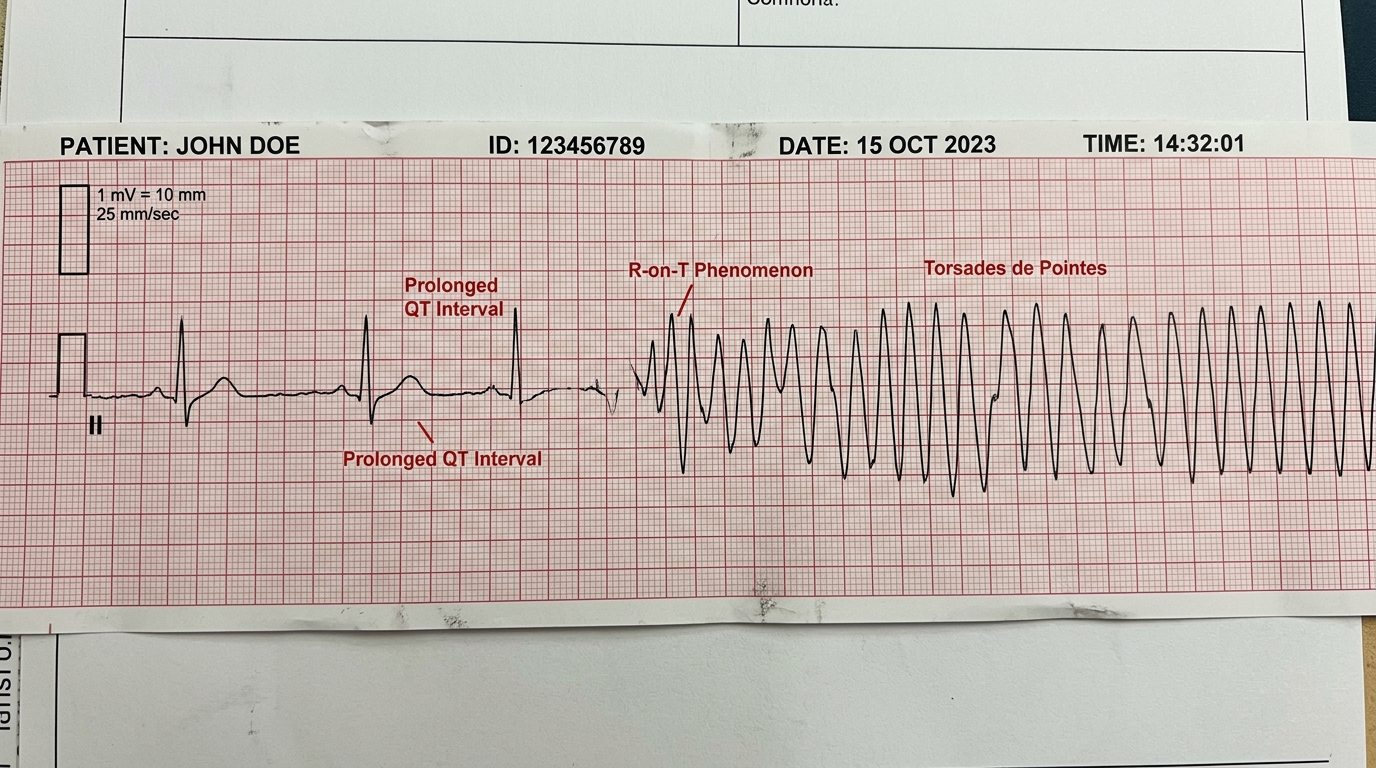
Torsades de Pointes (Polymorphic VT)
Sinusoidal twisting of QRS complexes around the isoelectric baseline. Preceded by prolonged QT interval (QTc > 500 ms) and an "R-on-T" PVC.
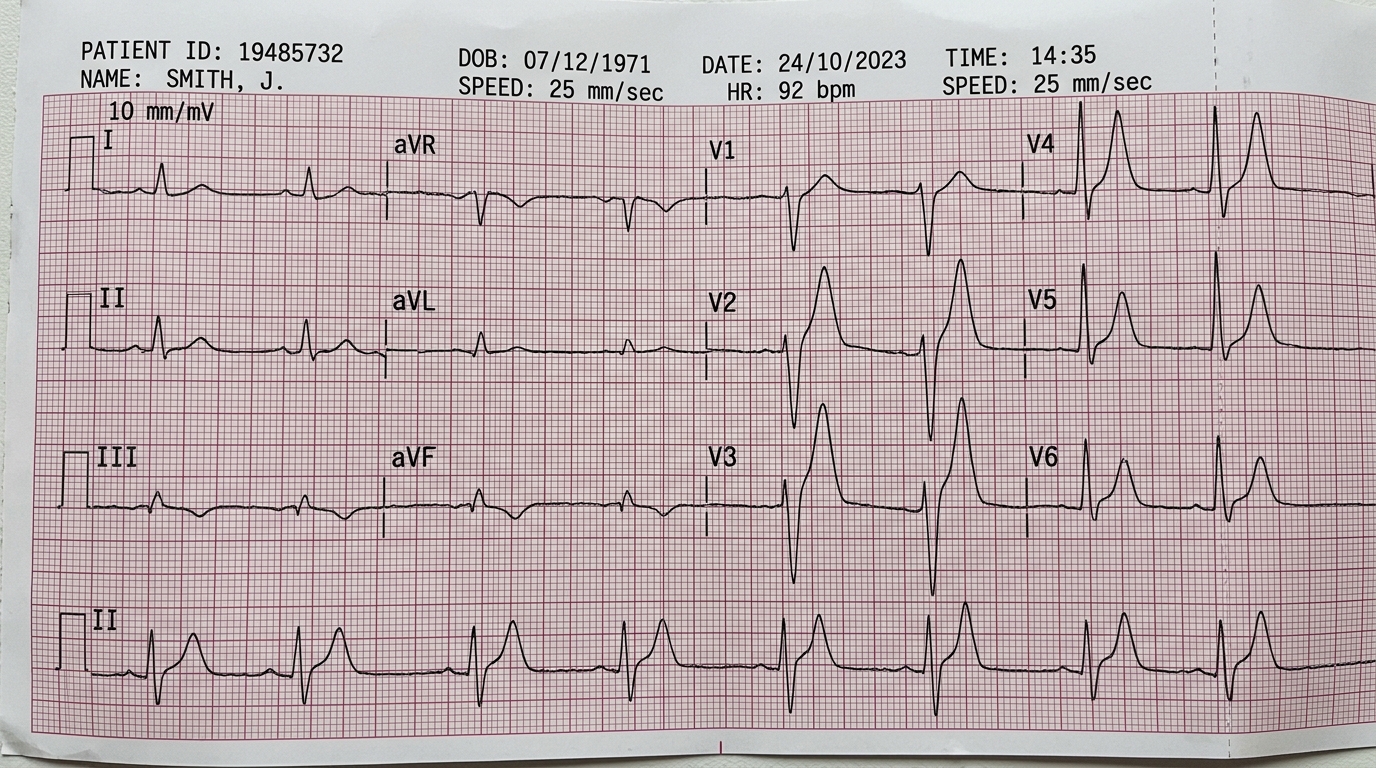
Hyperkalemia (Tall, Symmetrical Peaked T Waves)
Narrow-based, tall, symmetric "tented" T waves. As potassium rises (>7.0 mEq/L): PR prolongation, loss of P waves, widening QRS → classic "sine wave" pattern and asystole/VFib.
Digoxin Effect & Lethal Toxicity
Therapeutic Digoxin Effect: Downsloping, concave ST depression resembling "Salvador Dali's mustache", shortened QT interval, flattened/inverted T waves.
Cytochrome P450 Inducers vs Inhibitors
Crucial drug-drug interaction matrix tested heavily on every COMLEX and USMLE exam.
CYP450 Inducers
Inducing CYP450 increases hepatic metabolism of co-administered drugs → decreased serum drug levels and clinical treatment failure (e.g., unplanned pregnancy on OCPs, subtherapeutic INR/thrombus on Warfarin).
- Chronic alcohol
- St. John's Wort (herbal depression remedy)
- Phenytoin
- Phenobarbital
- Nevirapine (NNRTI)
- Rifampin (potent CYP inducer; red/orange tears & urine)
- Griseofulvin (antifungal)
- Carbamazepine (also induces its own metabolism!)
CYP450 Inhibitors
Inhibiting CYP450 halts metabolism → elevated plasma concentrations and dangerous drug toxicity (e.g., supratherapeutic INR > 5 with life-threatening bleeding, myopathy from statins).
- Sodium valproate
- Isoniazid (INH)
- Cimetidine (H2 blocker)
- Ketoconazole & Azole antifungals
- Fluconazole
- Alcohol (acute binge drinking!)
- Chloramphenicol
- Erythromycin / Clarithromycin (Macrolides; Azithromycin does NOT inhibit)
- Sulfonamides (TMP-SMX)
- Ciprofloxacin (Fluoroquinolones)
- Omeprazole (PPI)
- Metronidazole & Grapefruit juice
High-Risk Narrow Therapeutic Index Substrates
25-Toxin Clinical Antidote Vault
Searchable clinical antidote registry with molecular reversal mechanisms and emergency board scenarios.
| Toxin / Overdose | Specific Antidote | Reversal Mechanism | Clinical Board Vignette Clues |
|---|
Antimicrobial Molecular Targets
Ribosomal subunits (30S vs 50S), cell wall crosslinking, and mechanisms of resistance.
Buy AT 30, CCEL at 50
Aminoglycosides: Inhibit initiation complex → mRNA misreading. Ototoxicity & nephrotoxicity. Requires O2 for uptake (ineffective against anaerobes!).
Tetracyclines: Block aminoacyl-tRNA binding to A-site. Teeth discoloration in kids <8; photosensitivity.
Chloramphenicol (peptidyltransferase → gray baby syndrome, aplastic anemia).
Clindamycin (peptide bond formation → C. diff pseudomembranous colitis).
Erythromycin / Macrolides (translocation → motilin receptor agonist, QT prolongation).
Linezolid (initiation complex → thrombocytopenia, serotonin syndrome with SSRIs).
Cell Wall Crosslinking
Enzymatic Blockade
Tuberculosis RIPE Regimen
Rifampin: Inhibits DNA-dependent RNA polymerase. Potent CYP450 inducer (speeds drug breakdown). Harmless orange-red urine, tears, sweat.
Isoniazid (INH): Activated by KatG catalase-peroxidase; inhibits mycolic acid cell wall synthesis. Causes peripheral neuropathy (must co-administer Vitamin B6 / Pyridoxine!), drug-induced lupus (anti-histone antibodies), hepatotoxicity.
Pyrazinamide: Converted to pyrazinoic acid in acidic phagolysosomes. Adverse: hyperuricemia triggering acute gout flares; hepatotoxicity.
Ethambutol: Inhibits arabinosyltransferase (blocks arabinogalactan wall). Adverse: retrobulbar optic neuritis with loss of visual acuity and red-green color blindness.
Ergosterol & Glucan Blockers
Azoles (Fluconazole, Voriconazole): Inhibit 14α-demethylase (blocks lanosterol → ergosterol). Voriconazole causes visual color disturbances. Potent CYP450 inhibitors.
Echinocandins (Caspofungin): Inhibit β-1,3-D-glucan synthase (cell wall synthesis).
Terbinafine: Inhibits squalene epoxidase (dermatophytes / onychomycosis).
HIV ART & Direct-Acting Antivirals
NRTIs (Tenofovir, Emtricitabine, Abacavir): Chain terminators lacking 3'-OH. Abacavir requires HLA-B*5701 testing to prevent fatal hypersensitivity.
NNRTIs (Efavirenz): Allosteric RT blockers (vivid nightmares, CNS symptoms).
Protease Inhibitors (-navir): Block pol aspartyl protease (hyperglycemia, lipodystrophy).
INSTIs (-tegravir: Dolutegravir, Bictegravir): Block viral DNA integration into host genome (1st-line anchor!).
HCV DAAs: Sofosbuvir (NS5B RNA-dependent RNA polymerase inhibitor) + Ledipasvir / Velpatasvir (NS5A replication complex inhibitor) cures >95% of HCV.
Acyclovir: Monophosphorylated by HSV/VZV thymidine kinase; chain terminator. Ganciclovir (CMV UL97 kinase; causes neutropenia).
Neuro & Psychiatric Pharmacology
Antidepressant mechanisms, antipsychotic extrapyramidal symptoms, antiepileptic drug toxicity matrices, and Parkinson disease therapeutics.
Antidepressants & Serotonin Syndromes
Reuptake inhibitors, receptor modulators, enzyme blockers, and hyperadrenergic toxicity distinctions.
SSRIs & SNRIs
Fluoxetine, Sertraline, Escitalopram, Citalopram; Venlafaxine, Duloxetine.
Mechanism: SSRIs inhibit 5-HT reuptake transporter (SERT). SNRIs inhibit both SERT and NET (norepinephrine transporter). Takes 4-6 weeks for clinical response.
Adverse: Sexual dysfunction (anorgasmia, decreased libido), GI upset, SIADH (hyponatremia in elderly). Venlafaxine causes dose-dependent hypertension. Duloxetine also treats diabetic neuropathy & fibromyalgia.
Amitriptyline & Nortriptyline
Imipramine, Clomipramine (1st-line for severe OCD), Doxepin.
Mechanism: Inhibit 5-HT and NE reuptake; also block α1, H1, mACh, and cardiac fast Na+ channels.
1. Convulsions (GABA antagonism)
2. Coma (antihistaminic / anticholinergic)
3. Cardiotoxicity (wide QRS arrhythmia & hypotension via fast Na+ channel blockade).
Antidote: IV Sodium Bicarbonate (overcomes Na+ blockade by alkaline pH & Na+ load).
Phenelzine, Tranylcypromine, Selegiline
MAO-A (serotonin/NE) and MAO-B (dopamine) irreversible inhibition.
Atypical Depression: Mood reactivity, leaden paralysis, interpersonal rejection sensitivity, hypersomnia.
Bupropion, Mirtazapine, Trazodone
Distinct receptor targets tailored to patient comorbidities.
Bupropion (NDRI): Inhibits NE/dopamine reuptake. Zero sexual side effects, weight neutral/loss, smoking cessation. Absolute contraindication: Bulimia, anorexia nervosa, and epilepsy (significantly lowers seizure threshold!).
Mirtazapine: α2-adrenergic antagonist → ↑ NE and 5-HT release; blocks 5-HT2/3 and H1. Promotes sedation and marked appetite stimulation with weight gain (ideal for frail, underweight depressed geriatric patients!).
Trazodone: 5-HT2 and α1 blocker. Primarily used for insomnia. Adverse: Priapism ("trazo-BONE").
Antipsychotics & Extrapyramidal Symptom (EPS) Staging
First generation (typical) vs Second generation (atypical), receptor affinities, and acute vs late extrapyramidal sequelae.
| Class & Specific Drugs | Receptor Binding Profile | Hallmark Adverse Effects & Clinical Pearls | Antidote / Management Strategy |
|---|---|---|---|
|
1st Gen High Potency Haloperidol, Fluphenazine, Trifluoperazine |
Potent D2 receptor blockade in mesolimbic pathway |
Very high risk of Extrapyramidal Symptoms (EPS) and Hyperprolactinemia (galactorrhea, amenorrhea, gynecomastia). Low anticholinergic/sedative effect. EPS Chronological Timeline: • 4 hours: Acute Dystonia (painful torticollis, oculogyric crisis, trismus). • 4 days to 4 weeks: Akathisia (intense subjective motor restlessness, pacing). • 4 weeks to 4 months: Parkinsonism (cogwheel rigidity, bradykinesia, mask facies, pill-rolling tremor). • 4 months to years: Tardive Dyskinesia (involuntary choreoathetoid movements of face/tongue; often irreversible!). |
Acute dystonia: IV Benztropine or Diphenhydramine (anticholinergics). Akathisia: Propranolol (Beta-blocker) or Benzodiazepine. Tardive Dyskinesia: Discontinue drug, switch to Clozapine; VMAT2 inhibitor (Valbenazine). |
|
1st Gen Low Potency Chlorpromazine, Thioridazine |
Weak D2 blockade; potent α1, H1, mACh antagonism |
Low EPS risk, but prominent anticholinergic dry mouth, orthostatic hypotension (α1), and heavy sedation (H1). • Chlorpromazine: Corneal epithelial deposits ("corneal deposits = Chlorpromazine"). • Thioridazine: Retinal pigmentation ("retinal deposits = Thioridazine"), QT prolongation / Torsades risk. |
Dose reduction; switch to atypical antipsychotic; monitor annual ophthalmologic exams. |
|
2nd Gen Atypicals Clozapine, Olanzapine, Risperidone, Quetiapine, Aripiprazole, Ziprasidone |
5-HT2A antagonist + D2 antagonist (Aripiprazole is partial D2 agonist) |
Treats both positive and negative symptoms of schizophrenia; lower risk of EPS. • Metabolic Syndrome: Massive weight gain, dyslipidemia, diabetes (highest risk: Olanzapine & Clozapine). • Clozapine: Reserved for treatment-resistant schizophrenia and suicidality. Causes fatal Agranulocytosis (mandatory regular absolute neutrophil count [ANC] monitoring!), myocarditis, and lowers seizure threshold. • Risperidone: Highest prolactin elevation among 2nd gen. • Ziprasidone: Black box warning for QT prolongation. |
Monitor fasting glucose, lipid panel, and BMI. Clozapine requires strict REMS ANC registry (>1500/µL to continue therapy). |
|
Neuroleptic Malignant Syndrome (NMS) Idiosyncratic reaction to all antipsychotics |
Acute profound central dopamine D2 receptor hypofunction |
Classic Tetrad: "Lead-pipe" generalized muscle rigidity, extreme hyperthermia (>40°C), autonomic instability (tachycardia, labile BP, diaphoresis), and altered mental status. Laboratory: massive creatine kinase (CK) elevation and rhabdomyolysis with acute tubular necrosis. Distinction from Serotonin Syndrome: NMS has lead-pipe rigidity and hyporeflexia; Serotonin Syndrome has hyperreflexia, clonus, and tremor! |
Immediate discontinuation of antipsychotic; ICU aggressive cooling; Dantrolene (blocks Ryanodine receptor Ca2+ release from SR) and/or Bromocriptine (dopamine agonist). |
Antiepileptics, Mood Stabilizers & Parkinson Therapeutics
Channel blockers, vesicular SV2A modulators, dopamine replenishment, and dopa-decarboxylase synergy.
Valproate, Lamotrigine, Levetiracetam
First-line for both generalized tonic-clonic and focal seizures.
Valproic Acid: Prolongs Na+ inactivation and increases GABA synthesis. Adverse: Fatal fulminant hepatotoxicity (monitor LFTs), acute pancreatitis, weight gain, alopecia, and severe neural tube defects (spina bifida) in utero!
Lamotrigine: Blocks voltage-gated Na+ channels and inhibits glutamate release. Bipolar depression. Adverse: Stevens-Johnson syndrome (SJS) and toxic epidermal necrolysis (TEN) → must titrate very slowly!
Levetiracetam (Keppra): Modulates synaptic vesicle protein SV2A. Minimal drug interactions. Adverse: neuropsychiatric agitation and mood changes.
Phenytoin, Carbamazepine, Ethosuximide
Sodium channel blockers & absence seizure specific therapy.
Phenytoin: Blocks Na+ channels; exhibits zero-order elimination kinetics at therapeutic levels! Adverse: Gingival hyperplasia (PDGF release), hirsutism, peripheral neuropathy, megaloblastic anemia (folate), drug-induced lupus, fetal hydantoin syndrome (cleft lip/palate).
Carbamazepine: 1st line for trigeminal neuralgia & focal seizures. Potent CYP450 inducer. Adverse: Agranulocytosis / aplastic anemia, SIADH (hyponatremia), DRESS syndrome, SJS (HLA-B*1502 in Asian ancestry).
Ethosuximide: 1st line for Absence Seizures (3-Hz spike-and-wave on EEG). Blocks thalamic T-type Ca2+ channels. Mnemonic: "EFGHIJ: Ethosuximide, Fatigue, GI distress, Headache, Itching, Stevens-Johnson".
Levodopa/Carbidopa & Adjuncts
Rebalance dopamine vs acetylcholine in nigrostriatal pathway.
Levodopa / Carbidopa: L-DOPA crosses blood-brain barrier (converted to dopamine by DOPA decarboxylase). Carbidopa inhibits peripheral DOPA decarboxylase → increases CNS bioavailability from 1% to 10% and dramatically reduces peripheral side effects (nausea, arrhythmias, postural hypotension). Long-term: "on-off" motor fluctuations.
COMT Inhibitors: Entacapone (peripheral), Tolcapone (central + peripheral, hepatotoxic). Prevent peripheral degradation of L-DOPA to 3-OMD.
Dopamine Agonists: Pramipexole, Ropinirole (non-ergot, restless legs syndrome). Side effect: impulse control disorders (gambling, hypersexuality).
Amantadine: Increases dopamine release; causes livedo reticularis (purplish mottled lace rash on legs).
Anticholinergics (Benztropine, Trihexyphenidyl): M1 antagonists; improves resting tremor and rigidity.
Endocrine, GI & Antineoplastic Pharmacology
Diabetes insulin kinetics, oral antihyperglycemic targets, thyroid storm management, and the comprehensive Chemotherapy & Targeted Monoclonal Antibody Matrix.
Diabetes Mellitus Pharmacotherapy
Insulin PK profiles, Biguanides, SGLT2 inhibitors, GLP-1 receptor agonists, and Sulfonylureas.
Rapid vs Basal Kinetics
Rapid-acting (Lispro, Aspart, Glulisine): "No LAG". 15-min onset, 1-hr peak. Taken immediately before meals for postprandial glycemic spikes.
Short-acting (Regular): 30-min onset, 2-3 hr peak. IV drug of choice for Diabetic Ketoacidosis (DKA), Hyperosmolar Hyperglycemic State (HHS), and severe hyperkalemia (+ D50).
Intermediate (NPH): 1-2 hr onset, 4-10 hr peak.
Long-acting (Glargine, Detemir, Degludec): Peakless flat 24-hr basal release.
Metformin & SGLT2 Inhibitors
Metformin (Biguanide): First-line type 2 DM. Inhibits mitochondrial complex I → activates AMPK → suppresses hepatic gluconeogenesis and increases peripheral insulin sensitivity. Weight neutral/loss, zero hypoglycemia risk. Adverse: GI distress, B12 deficiency, lactic acidosis (contraindicated in eGFR < 30 mL/min or before iodinated contrast!).
SGLT2 Inhibitors (-flozins: Empagliflozin, Dapagliflozin): Block Na+/glucose cotransporter 2 in proximal convoluted tubule → glucosuria. Proven mortality reduction in Heart Failure (HFrEF/HFpEF) and diabetic nephropathy! Adverse: Vulvovaginal candidiasis, UTIs, euglycemic DKA.
GLP-1 Agonists & DPP-4i
GLP-1 Receptor Agonists (-tides: Semaglutide, Liraglutide): Incretin mimetics → glucose-dependent insulin secretion, decreased glucagon, delayed gastric emptying, and significant central weight loss. Reduces cardiovascular events. Adverse: Nausea, gastroparesis, pancreatitis. Contraindicated in MEN2 / medullary thyroid cancer.
DPP-4 Inhibitors (-gliptins: Sitagliptin, Linagliptin): Inhibit dipeptidyl peptidase-4 → prolong endogenous GLP-1 half-life. Weight neutral, zero hypoglycemia risk.
Sulfonylureas & Glitazones
Sulfonylureas (Glipizide, Glyburide, Glimepiride): Close ATP-sensitive K+ channels on pancreatic β-cells → depolarization → Ca2+ influx → endogenous insulin exocytosis. High risk of hypoglycemia and weight gain (Glipizide preferred in renal insufficiency due to shorter half-life).
TZDs / Glitazones (Pioglitazone, Rosiglitazone): Bind PPAR-γ nuclear transcription factor → upregulate GLUT4 and adiponectin. Adverse: Fluid retention / peripheral edema (strictly contraindicated in Heart Failure NYHA III/IV!), bone fractures in postmenopausal women.
Antineoplastic & Targeted Monoclonal Master Matrix
Antimetabolites, DNA cross-linkers, microtubule poisons, tyrosine kinase inhibitors, and toxic rescue antidotes.
| Drug Class & Agents | Molecular Mechanism & Cell Cycle Phase | Hallmark Toxicity & Adverse Profile | Specific Rescue Agent / Clinical Antidote |
|---|---|---|---|
|
Methotrexate (MTX) Antimetabolite • S Phase |
Competitively inhibits Dihydrofolate Reductase (DHFR) → blocks dTMP synthesis and de novo purine synthesis | Severe myelosuppression, mucositis/stomatitis, pulmonary fibrosis, and hepatotoxicity. Teratogen. | Leucovorin (Folinic Acid): bypasses DHFR to rescue non-cancerous bone marrow cells. Glucarpidase for acute renal failure. |
|
5-Fluorouracil (5-FU) & 6-MP Pyrimidine & Purine Analogs |
5-FU: Covalently complexes with folic acid to inhibit Thymidylate Synthase → dTMP starvation. 6-MP / Azathioprine: Activated by HGPRT; inhibits de novo purine synthesis. |
5-FU: Myelosuppression, coronary vasospasm, hand-foot syndrome. 6-MP: Bone marrow suppression. CRITICAL DRUG INTERACTION: 6-MP is metabolized by Xanthine Oxidase → concurrent Allopurinol or Febuxostat causes lethal 6-MP accumulation! |
Uridine triacetate for 5-FU overdose. Reduce 6-MP dose by 75% if patient is taking Allopurinol! |
|
Cyclophosphamide & Ifosfamide Alkylating Agent • Cell Cycle Non-Specific |
Cross-links DNA at guanine N-7 position, halting replication and transcription. Activated by hepatic CYP450. | Myelosuppression, SIADH, and Hemorrhagic Cystitis (gross hematuria, dysuria, transitional cell bladder carcinoma) caused by toxic metabolite Acrolein! | Mesna (2-mercaptoethane sulfonate) binds acrolein in urine + aggressive IV hydration. |
|
Cisplatin & Carboplatin Platinum Compounds • Cross-linkers |
Cross-link DNA intra- and interstrand strands, inducing apoptosis in solid tumors (testicular, ovarian, lung). | Severe Nephrotoxicity (acute tubular necrosis, magnesium wasting), Ototoxicity (sensorineural hearing loss / tinnitus), and peripheral neuropathy. Highly emetogenic. | Amifostine (free radical scavenger preventing nephrotoxicity) + vigorous IV saline hydration diuresis. |
|
Doxorubicin & Bleomycin Antitumor Antibiotics |
Doxorubicin: Intercalates DNA, inhibits Topoisomerase II, generates iron-dependent free radicals. Bleomycin: Binds iron and oxygen to generate free radicals → breaks DNA strands in G2 phase. |
Doxorubicin: Dilated Cardiomyopathy with congestive heart failure. Bleomycin: Pulmonary Fibrosis (cough, dyspnea, bilateral basilar crackles) and hyperpigmentation (minimal myelosuppression!). |
Dexrazoxane: iron-chelating agent administered to prevent Doxorubicin cardiotoxicity. |
|
Vincristine vs Vinblastine & Taxanes Microtubule Inhibitors • M Phase |
Vincristine & Vinblastine: Bind β-tubulin and inhibit microtubule polymerization (prevents mitotic spindle formation). Paclitaxel / Docetaxel: Hyperstabilize polymerized microtubules, preventing depolymerization. |
• Vincristine: Peripheral Neuropathy (distal paresthesias, foot drop, paralytic ileus / severe constipation). Mnemonic: "Vincristine crisps nerves". • Vinblastine: Severe bone marrow suppression. Mnemonic: "Vinblastine blasts bone marrow". • Paclitaxel: Myelosuppression and hypersensitivity infusion reactions. |
Premedicate Taxanes with corticosteroids and antihistamines. Dose adjust Vincristine for neurotoxicity. |
|
Targeted Monoclonals & TKIs Imatinib, Trastuzumab, Rituximab, Bevacizumab |
• Imatinib: Inhibits Bcr-Abl tyrosine kinase (CML t(9;22)) & c-kit (GIST). • Trastuzumab: Monoclonal antibody against HER2/neu (erbB2) receptor tyrosine kinase. • Rituximab: Monoclonal against CD20 on B-cell lymphocytes. • Bevacizumab: Monoclonal against VEGF-A (inhibits angiogenesis). |
• Trastuzumab: Cardiotoxicity (decreased ejection fraction; reversible, not dose-dependent!). • Rituximab: Risk of JC virus reactivation → Progressive Multifocal Leukoencephalopathy (PML). • Bevacizumab: Severe bleeding, GI perforation, hypertension, impaired wound healing. |
Echocardiogram monitoring before and during Trastuzumab. Hold Bevacizumab ≥ 4 weeks before and after major surgery. |